



What's Happening?
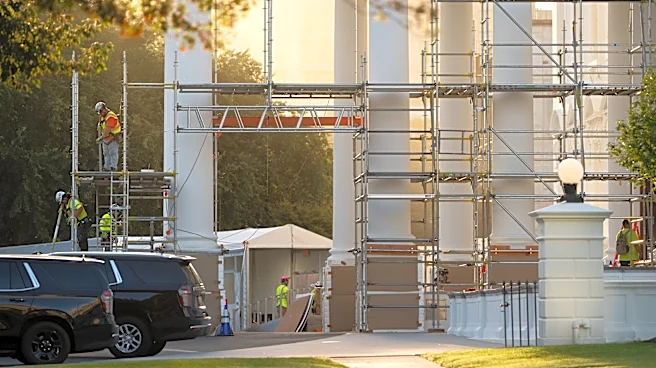
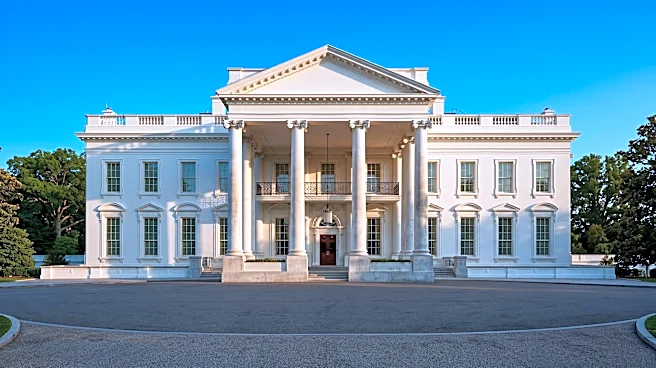
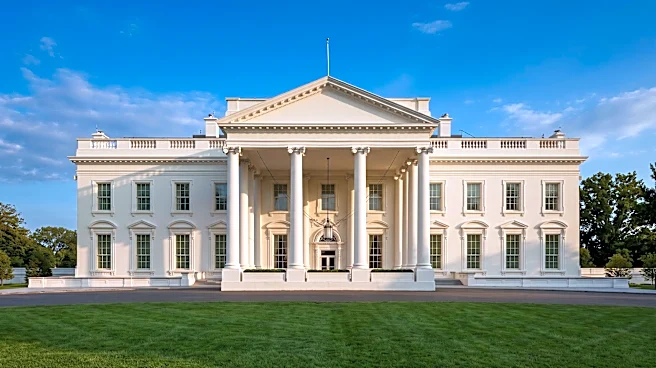
Renovation efforts at the White House have intensified as scaffolding is being removed from the iconic covered column entrance on the north side of the building. This accelerated work is reportedly driven by President Trump's desire to showcase the renovations
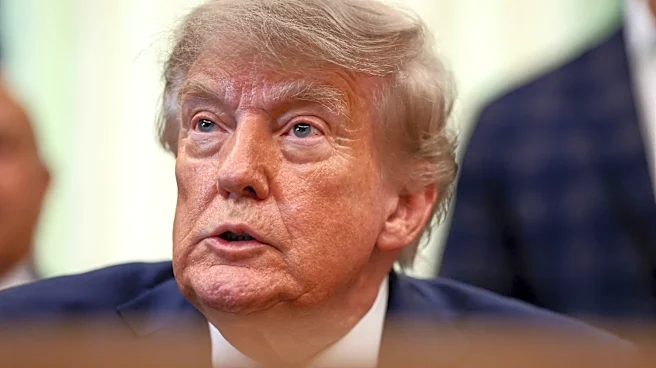
when Chinese President Xi Jinping visits the White House later in the month. The restoration of the entrance has been ongoing for two months and has been largely spearheaded by President Trump himself. Interior Secretary Doug Burgum noted in a July podcast that President Trump personally observed the need for repairs, stating, 'See all this, it needs to be repaired,' when inspecting the door opening and columns while preparing to receive a world leader. The focus on these renovations underscores the importance placed on the White House's appearance for international diplomatic engagements.
Why It's Important?
The expedited renovation of the White House's iconic entrance ahead of a high-profile visit from Chinese President Xi Jinping highlights the symbolic significance of the building's appearance in international diplomacy. The White House serves not only as the residence and workplace of the U.S. President but also as a powerful symbol of American strength and stability on the global stage. Ensuring its pristine condition for a state visit reflects a strategic effort to project an image of order and capability to foreign leaders and the international community. This attention to detail in diplomatic preparations can influence perceptions of the U.S. and its leadership, potentially impacting the tone and outcomes of critical bilateral discussions. The personal involvement of President Trump in overseeing these renovations further emphasizes the administration's focus on presentation and national pride in its foreign relations.
What's Next?
With the scaffolding being removed, the immediate next step is the completion of the final touches on the renovated White House entrance in preparation for President Xi Jinping's arrival. This will likely involve detailed cleaning, landscaping, and security checks to ensure everything is in perfect order for the state visit. Following the visit, the administration may provide further details or a broader overview of the completed renovations, potentially highlighting the historical preservation aspects or any modern upgrades. The successful presentation of the White House during such a significant diplomatic event could reinforce the administration's image and contribute to a positive atmosphere for future international engagements. Any further renovation plans for other parts of the White House might also be considered or announced based on the success and reception of these current efforts.
Beyond the Headlines
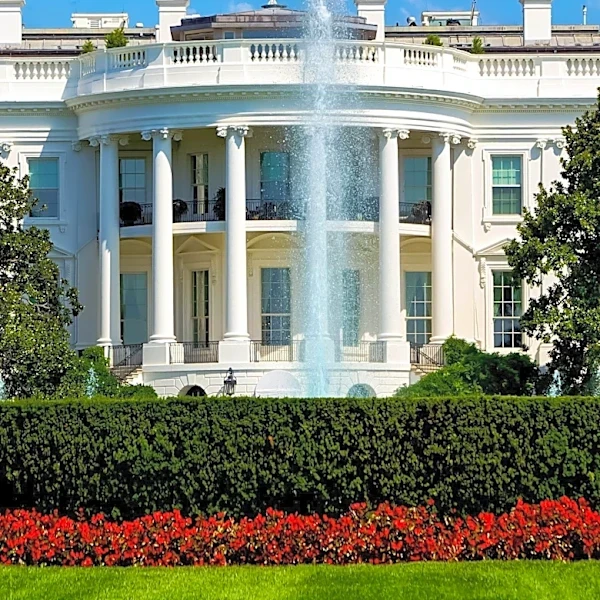
The renovation of the White House, particularly under the direct impetus of a President for a specific diplomatic event, delves into the deeper cultural and political significance of national symbols. The White House is more than just a building; it is a living monument to American history and governance. Its upkeep and presentation are often seen as reflections of the nation's health and leadership. The urgency to complete renovations for a foreign dignitary underscores the role of aesthetics in international relations and the subtle messages conveyed through the physical environment. This event also highlights the continuous effort required to maintain historical landmarks while adapting them to contemporary needs and diplomatic protocols. The narrative of President Trump personally identifying the need for repairs speaks to a hands-on approach to national stewardship, blending practical maintenance with symbolic representation on the world stage.