






What's Happening?
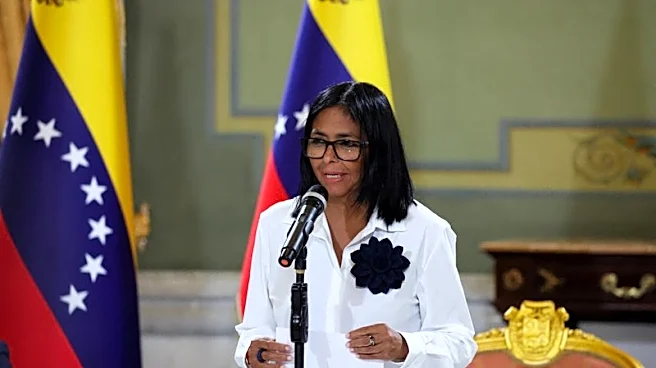
Indian Prime Minister Narendra Modi recently engaged in discussions with Venezuela's acting President Delcy Rodriguez in New Delhi. The talks focused on enhancing energy cooperation between the two nations, as India seeks to diversify its energy sources
following global supply disruptions. Venezuela has emerged as India's third-largest crude oil supplier, a significant development given India's status as the world's third-largest oil importer. The discussions also explored potential investments by Indian companies in Venezuela's mining, critical minerals, pharmaceuticals, and automobile sectors. This meeting underscores India's strategic move to secure energy resources amid geopolitical tensions affecting traditional supply routes.
Why It's Important?
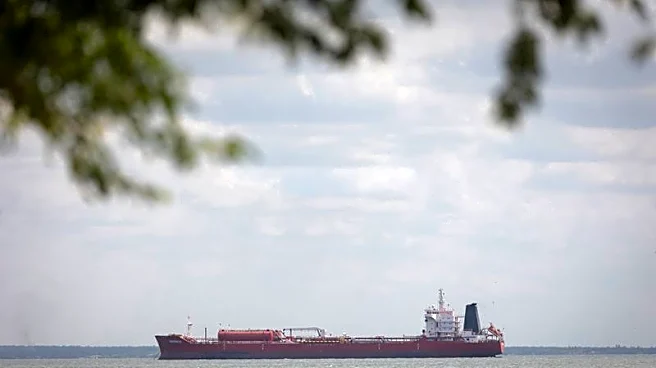
The strengthening of ties between India and Venezuela is crucial in the context of global energy security. As India imports approximately 90% of its oil, with a significant portion passing through the Strait of Hormuz—a route currently threatened by regional conflicts—diversifying its oil sources is vital. Venezuela's role as a key supplier helps India mitigate risks associated with supply chain disruptions. This partnership not only enhances India's energy security but also opens avenues for economic collaboration in various sectors, potentially boosting trade and investment between the two countries. The move reflects a broader trend of nations seeking to secure energy independence amid global uncertainties.
What's Next?
Following the talks, further engagements are expected as Delcy Rodriguez continues her visit in India, meeting with key officials including India's foreign minister and petroleum minister. These discussions may lead to concrete agreements on energy cooperation and investment opportunities. Additionally, Rodriguez's visits to Indian energy, pharmaceutical, and automobile facilities could pave the way for future collaborations. The evolving relationship between India and Venezuela may prompt reactions from other major oil-producing nations and could influence global energy market dynamics.