



What's Happening?
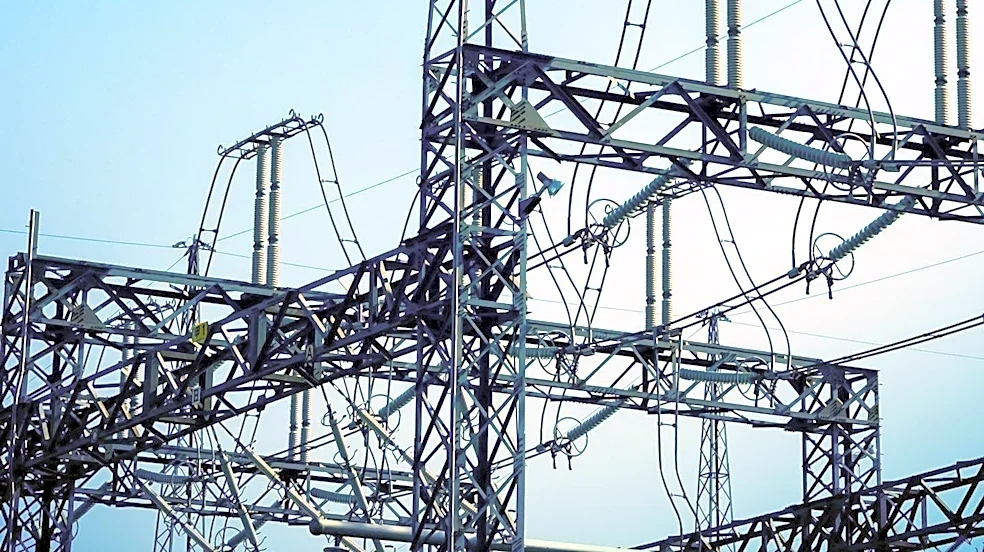
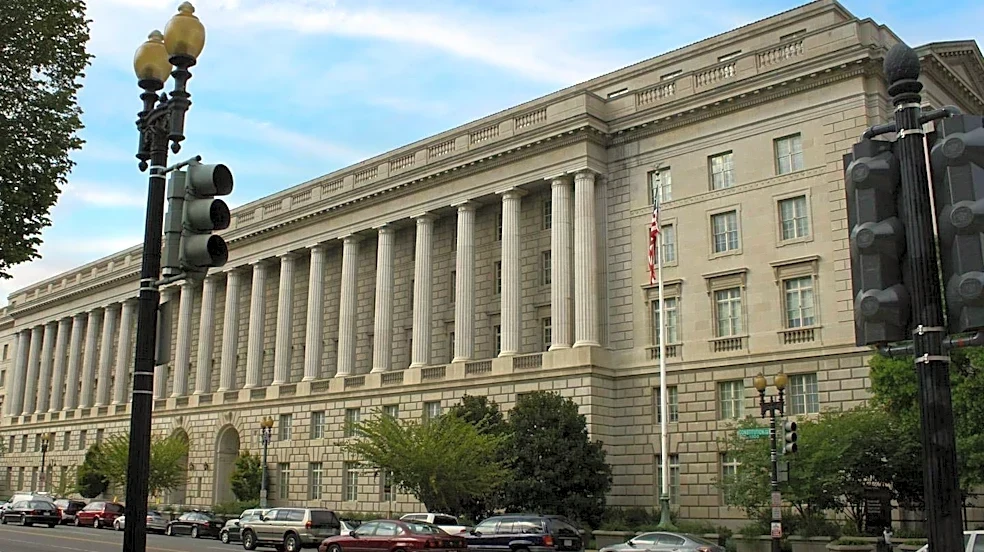
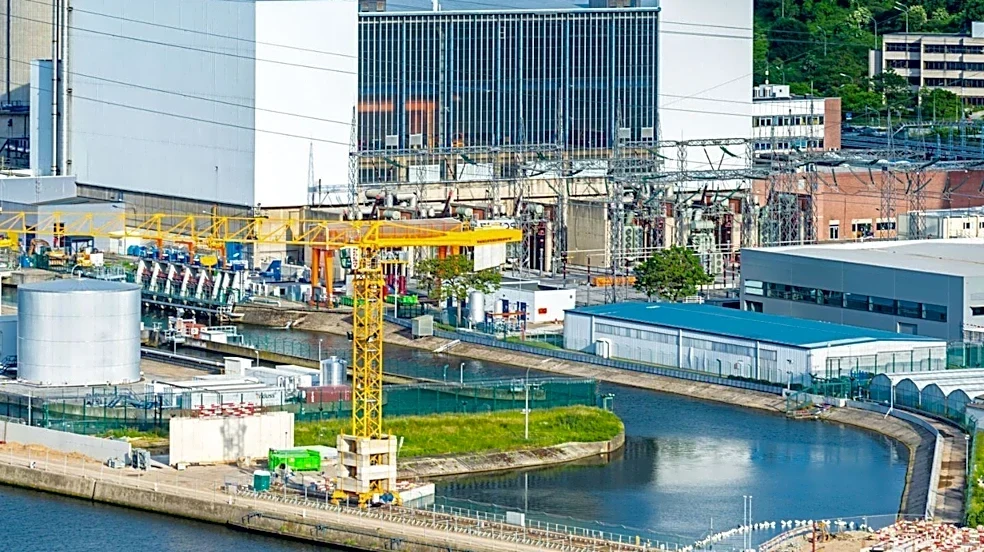
The U.S. Department of Energy (DOE) is investing approximately $967 million in additional funding to modernize critical energy infrastructure across the country. This allocation is part of the Grid Resilience State and Tribal Formula Grant program, which
channels federal funds to states, territories, and tribal nations. The goal is to improve the affordability and dependability of power by supporting infrastructure improvements. This latest round of funding builds on nearly $1.3 billion already awarded between Fiscal Year 2022 and October 2024, distributed across 49 states, five U.S. territories, 254 Tribal Nations, and the District of Columbia. The program, authorized by the 2021 Bipartisan Infrastructure Law, provides non-competitive funding based on factors like population size, land area, severe weather risk, and historical mitigation spending. States and tribes then administer sub-awards to local grid operators and electric utilities, with specific cost-match requirements depending on the size of the utility.
Why It's Important?
This significant investment is crucial for addressing the increasing strain on the nation's aging power infrastructure. U.S. electricity customers experienced an average of 11 hours of power interruptions in 2024, nearly double the annual average of the prior decade, with major storms accounting for 80% of total outage duration. Concurrently, electricity demand is projected to surge, with the North American Electric Reliability Corporation (NERC) forecasting a 69% increase in 10-year summer peak electricity demand across North America over its 2024 assessment. This rise is primarily driven by the proliferation of artificial intelligence (AI) data centers and broader electrification efforts. NERC has warned that 13 of 23 regional reliability zones face potential resource adequacy challenges in the coming decade. The DOE's funding aims to bolster grid resilience against severe weather events and accommodate the growing demand, thereby ensuring a more stable and reliable energy supply for homes and businesses.
What's Next?
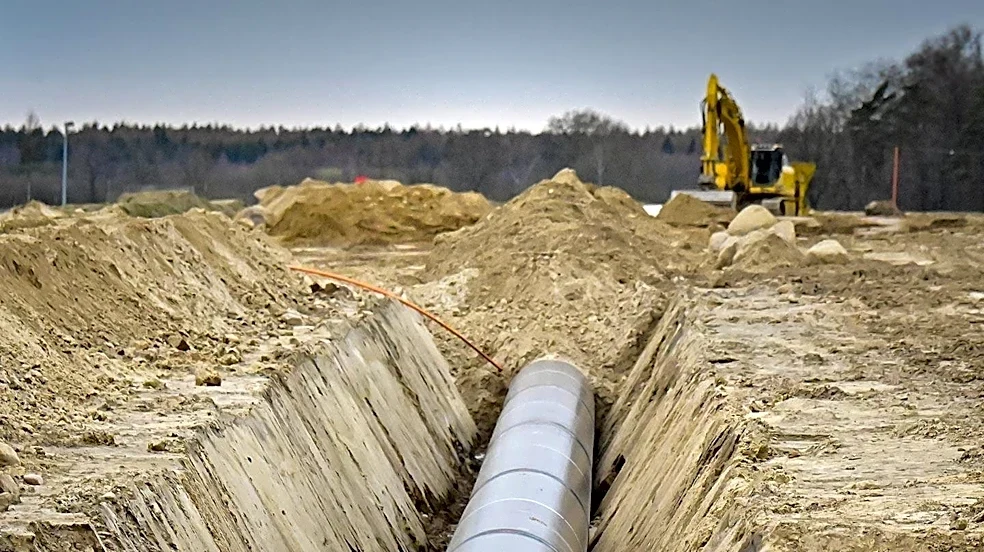
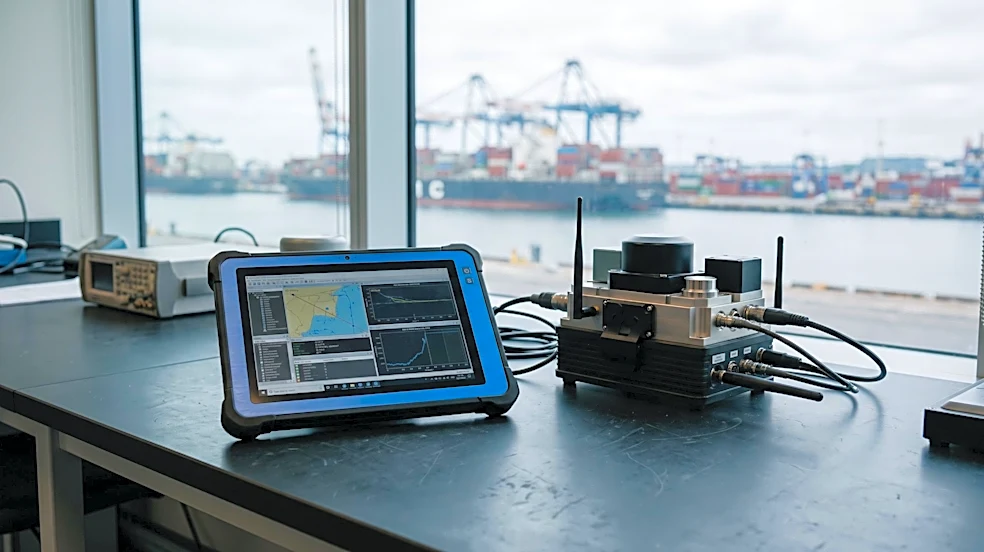
The allocated funds will be used for eligible projects such as power line undergrounding, fire-resistant equipment, vegetation management, adaptive monitoring sensors, and battery microgrids. States and tribes will continue to administer these funds, with examples like Ohio's 2023 award of $14.2 million prioritizing sub-awards for reducing outage frequency in disadvantaged communities. New York Governor Kathy Hochul has also launched the state's CHARGE agenda and Energy Infrastructure Development Plan, backed by nearly $1 billion in state funds, to address rising demand from AI data centers. Additionally, the USDA is accepting Letters of Interest for its $175 million Affordable Rural Cooperative program to support transmission efficiency and nuclear integration for rural electric co-ops. These initiatives collectively aim to enhance grid readiness, affordability, and community trust, moving technological demonstrations toward commercial scale deployment.
Beyond the Headlines
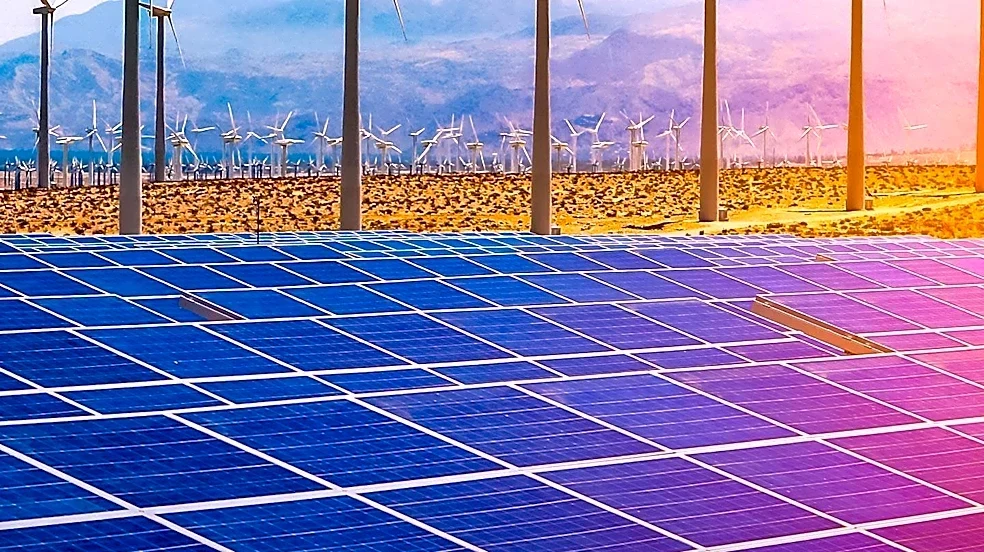
The modernization of the U.S. power grid extends beyond immediate reliability concerns, touching upon critical ethical, economic, and technological dimensions. The rapid growth of AI data centers presents a unique challenge, as their immense energy consumption could exacerbate existing grid vulnerabilities and potentially lead to increased carbon emissions if not powered by clean energy sources. This necessitates a strategic shift towards integrating more renewable energy and advanced nuclear technologies, such as small modular reactors, into the grid. Furthermore, the emphasis on distributing funds to states, territories, and tribal nations highlights a commitment to equitable energy access and resilience, particularly for underserved communities disproportionately affected by power outages. The long-term implications involve fostering a more decentralized, intelligent, and secure energy infrastructure capable of adapting to future technological advancements and climate challenges, while also stimulating economic growth through new energy sector jobs and innovations.