


What's Happening?
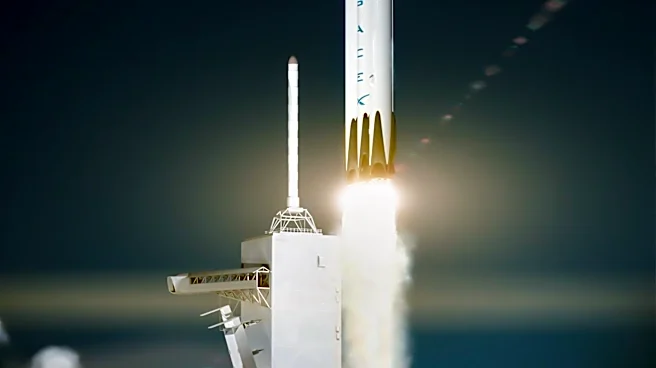
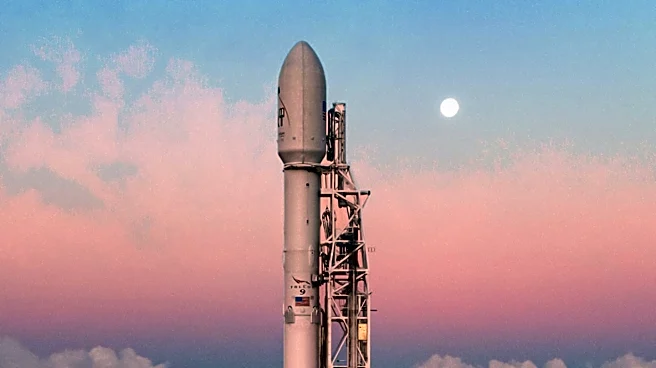
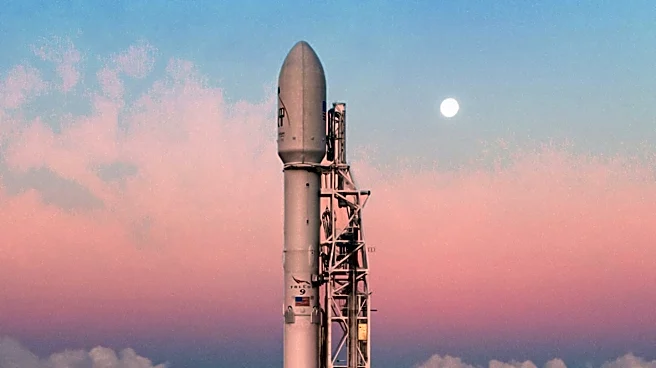
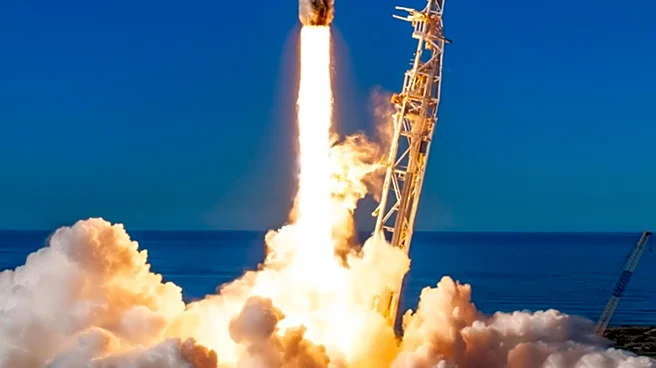
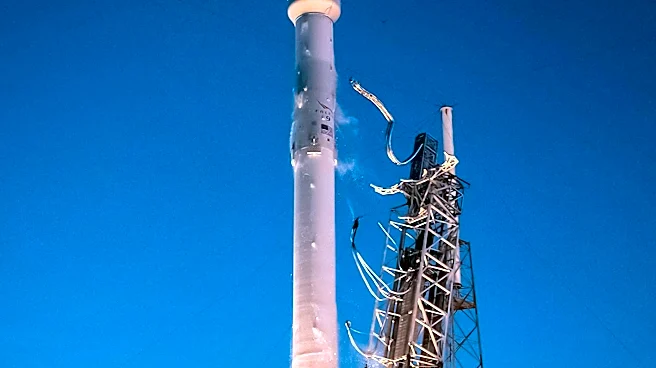
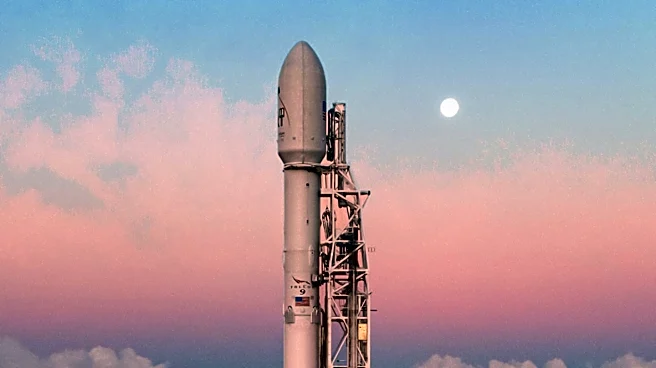
A piece of a SpaceX Falcon 9 rocket is expected to collide with the moon, according to scientists. The impact is anticipated to occur at a speed of over 5,000 miles per hour, potentially creating a crater on the moon's surface. This event is part of the rocket's
upper portion, which was launched in January 2025 carrying lunar landers and scientific instruments. The impact presents a unique opportunity for scientists to study the effects of such collisions on the lunar surface, although it may not be visible to the naked eye.
Why It's Important?
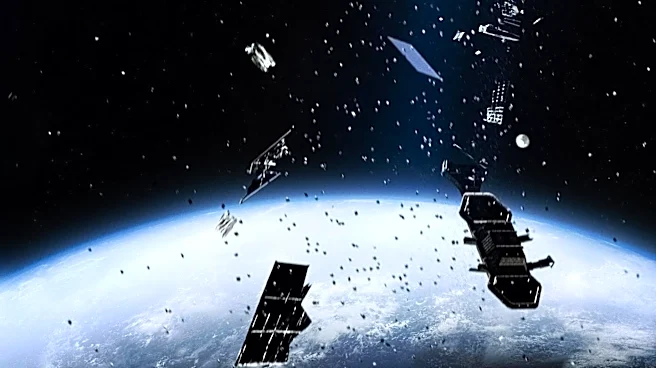
The collision of space debris with the moon highlights the growing issue of space debris management and its potential impacts on celestial bodies. This event provides a rare opportunity for scientific observation and data collection, which could enhance understanding of lunar geology and the effects of impacts. The incident also underscores the need for responsible space exploration practices and the development of strategies to mitigate space debris.
What's Next?
Following the impact, scientists will analyze data collected by lunar orbiters to assess changes to the moon's surface. This analysis could inform future missions and contribute to the development of technologies for space debris tracking and management. The event may also prompt discussions within the space exploration community about best practices for minimizing the environmental impact of space missions.