






What's Happening?
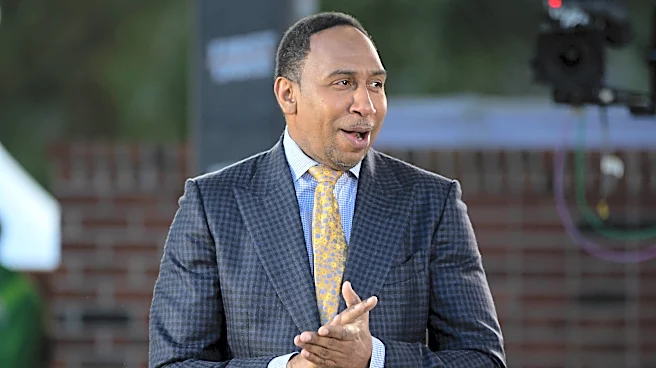
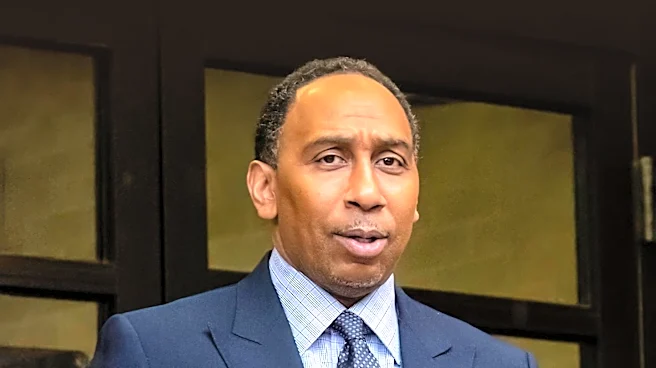
The National Association of Black Journalists (NABJ) has issued a 'Thumbs Down' award to sports commentator Stephen A. Smith, citing his problematic commentary regarding Black women. This decision has generated debate within the media industry, with some
arguing that Smith's influence is not comparable to other powerful figures who have received similar rebukes. NABJ President Errin Haines specifically called out Smith for his remarks at the organization's convention. The NABJ has a history of promoting Black women in journalism and has previously used the 'Thumbs Down' award to highlight problematic behavior in the media. The controversy also draws comparisons to other media figures and institutions that have faced criticism for their impact on journalism and diversity.
Why It's Important?
This incident is important because it highlights ongoing discussions about accountability, representation, and power dynamics within the media industry, particularly concerning the treatment of Black women. The NABJ's decision to single out Stephen A. Smith, despite his perceived lesser institutional power compared to other 'Thumbs Down' recipients, underscores the organization's commitment to addressing commentary that it deems harmful. This action can influence how media personalities, especially those with large platforms, approach sensitive topics and engage with diverse communities. It also prompts a broader conversation about who holds real power in journalism and how that power is wielded, potentially leading to increased scrutiny of media organizations' internal practices and editorial decisions regarding diversity, equity, and inclusion.
What's Next?
The 'Thumbs Down' award to Stephen A. Smith is likely to continue to generate discussion and potentially lead to further responses from Smith himself or other media figures. The NABJ's action may encourage other professional organizations to take similar stances on issues of media ethics and representation. This event could also prompt media outlets to re-evaluate their standards for on-air commentary and the training provided to their personalities regarding sensitive topics. In the long term, this could contribute to a shift in media discourse, fostering a more inclusive and respectful environment, or it could intensify debates about free speech versus responsible commentary. The incident may also inspire more Black journalists to advocate for greater accountability within their profession.
Beyond the Headlines
Beyond the immediate controversy, this event touches upon deeper cultural and ethical considerations regarding the role of media personalities in shaping public perception and the responsibility that comes with a large platform. The debate over whether Smith's commentary warranted such a rebuke, especially when compared to figures with more institutional power, raises questions about the criteria for accountability and the impact of individual voices versus corporate structures. It also highlights the ongoing struggle for Black women in media to be treated with respect and to have their experiences validated. This incident could serve as a catalyst for broader conversations about misogynoir in media and the need for more nuanced and empathetic portrayals of marginalized communities, potentially influencing future journalistic practices and media ethics guidelines.