








What's Happening?
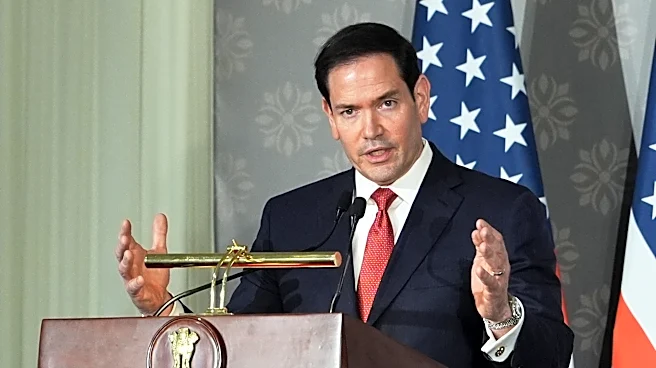
During a recent phone call with Israeli Prime Minister Benjamin Netanyahu, President Trump reiterated his firm stance on the Iranian nuclear issue. He emphasized that any agreement with Iran must include the dismantling of its nuclear program and the removal
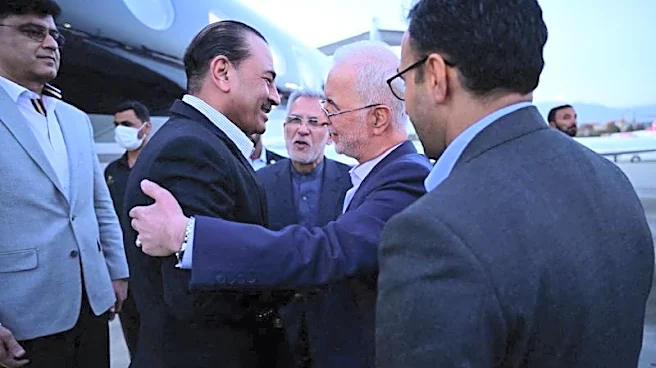
of all enriched uranium from Iranian territory. This conversation comes amid ongoing negotiations over a Memorandum of Understanding (MOU) aimed at addressing the Iranian nuclear issue, reopening the Strait of Hormuz, and resolving other disputed matters. Netanyahu, on his part, assured that Israel would maintain its freedom of action against threats from various fronts, including Lebanon.
Why It's Important?
The insistence by President Trump on dismantling Iran's nuclear program underscores the U.S.'s hardline approach to nuclear non-proliferation in the Middle East. This stance is significant as it affects international relations and security dynamics in the region. The outcome of these negotiations could impact global oil markets, given the strategic importance of the Strait of Hormuz. Additionally, the U.S.'s position may influence its diplomatic relations with other countries involved in the Iranian nuclear talks, potentially affecting alliances and geopolitical stability.
What's Next?
The next steps involve continued negotiations between the U.S., Israel, and other stakeholders to reach a comprehensive agreement on Iran's nuclear program. The U.S. will likely continue to update Israel on the progress of these talks. The international community will be watching closely to see if Iran agrees to the U.S.'s demands, which could lead to a significant shift in Middle Eastern geopolitics. Potential reactions from Iran and other regional powers will be critical in shaping the future of these negotiations.