






What's Happening?
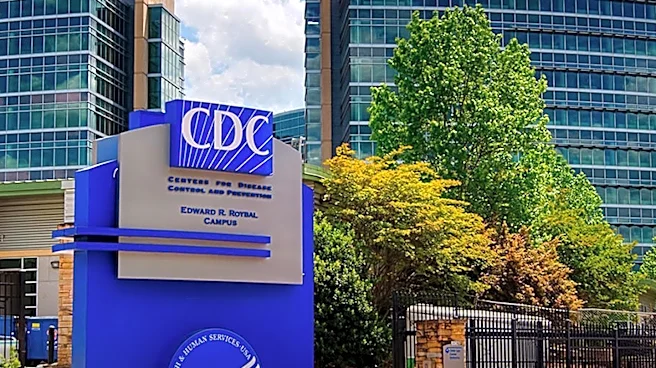
The U.S. Centers for Disease Control and Prevention (CDC), under the Department of Health and Human Services (HHS), has issued an order requiring all individuals boarding international flights to the U.S. to attest that they have not been present in the Democratic
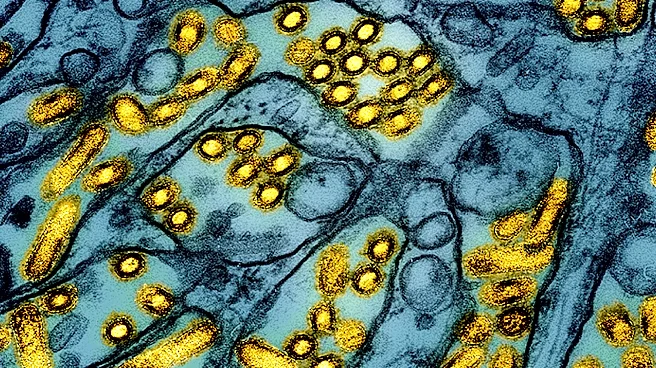
Republic of Congo (DRC) within the 21 days prior to their flight. This measure, effective November 3, 2026, comes in response to the continued active outbreak of the Bundibugyo Ebola Virus in the DRC, which has reported over 9,000 confirmed cases and more than 4,000 deaths. The Caribbean Public Health Agency (CARPHA) has also elevated its regional risk assessment from low to moderate due to the spread of the virus to Kenya and Nigeria, citing direct travel links between Nigeria and the Caribbean as a potential pathway for importation.
Why It's Important?
The CDC's travel restriction underscores the U.S. government's proactive stance in preventing the importation of highly contagious diseases, particularly those with high fatality rates like Ebola. This measure reflects a recognition of the interconnectedness of global travel and the potential for rapid international spread of pathogens. For U.S. public health, such restrictions aim to create a buffer, allowing time for enhanced surveillance and preparedness measures domestically. The decision also highlights the severe and ongoing nature of the Ebola outbreak in the DRC, which continues to pose a significant international health security threat. The lack of a licensed vaccine or specific antiviral treatment for Bundibugyo Ebola Virus makes prevention and early detection paramount.
What's Next?
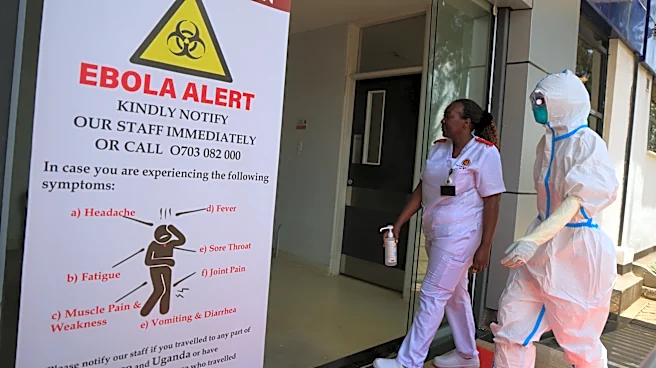
The travel advisory is initially set for three months and will be regularly reviewed based on the evolving outbreak situation and associated public health risks. Nationals and non-nationals returning from the DRC may face 21 days of monitoring and/or quarantine, depending on their exposure history, as determined by public health authorities. The Ministry of Health urges individuals who develop symptoms such as fever, vomiting, or unexplained bleeding after traveling to affected areas to seek immediate medical attention and disclose their travel history. These measures aim to strengthen surveillance, preparedness, and response capacities at ports of entry and within health facilities, ensuring early detection and timely response to potential imported cases.
Beyond the Headlines
The CDC's travel restriction, while a public health necessity, also carries broader implications for international relations and global equity. Such measures can disproportionately affect individuals from affected regions, potentially leading to economic and social disruptions. It also raises questions about the balance between national health security and global solidarity in managing pandemics. The emphasis on individual attestation places a significant responsibility on travelers, highlighting the role of personal accountability in public health. Furthermore, the ongoing need for such stringent measures underscores the persistent challenges in controlling infectious diseases in regions affected by conflict and limited resources, emphasizing the need for sustained international investment in global health infrastructure and equitable access to medical advancements.