





What's Happening?
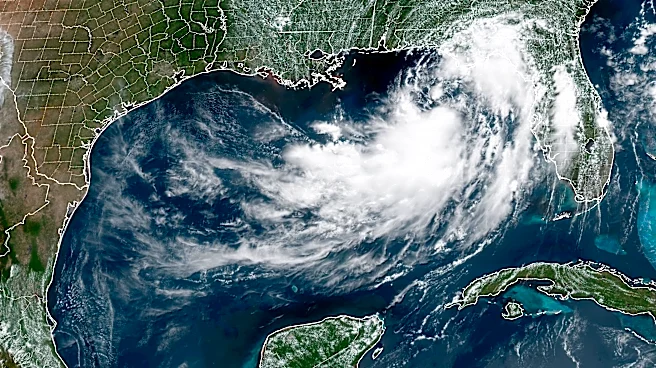
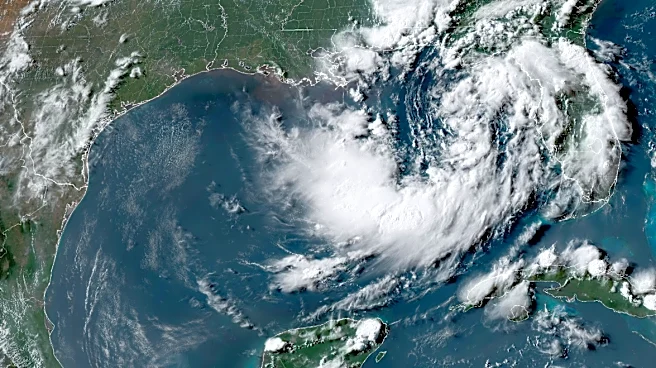
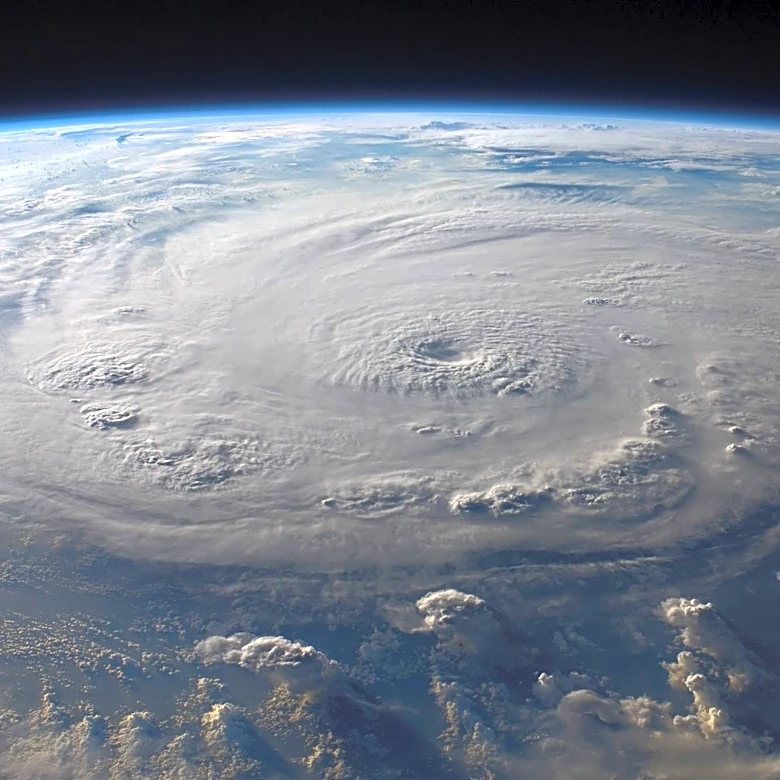
Tropical Storm Bertha has intensified as it approaches the Gulf Coast, according to the National Hurricane Center. As of the latest advisory, Bertha is located approximately 120 miles west-southwest of Panama City, Florida, and 105 miles south-southeast
of Mobile, Alabama. The storm is moving west at 6 mph with maximum sustained winds of 60 mph. Tropical-storm-force winds extend outward up to 115 miles from the center. The National Hurricane Center has issued tropical storm warnings for several Florida counties, extending from the Bay-Gulf County line to Morgan City, Louisiana, including New Orleans and Lake Pontchartrain. A tropical storm watch is in effect for areas west of Morgan City to Cameron, Louisiana. The storm is expected to bring 2-4 inches of rain, with some areas receiving up to 6 inches, leading to potential flash flooding along the Gulf Coast.
Why It's Important?
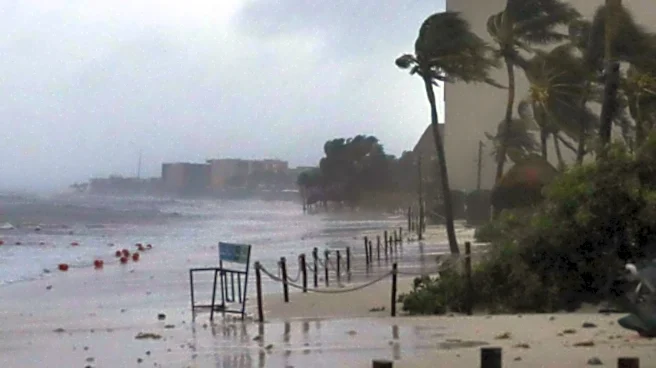
The intensification of Tropical Storm Bertha poses significant risks to the Gulf Coast, including heavy rainfall, flash flooding, and strong winds. The affected areas, which include parts of Florida, Alabama, Mississippi, and Louisiana, are at risk of coastal flooding due to storm surges. The storm's impact could disrupt local communities, damage infrastructure, and affect economic activities in the region. The National Oceanic and Atmospheric Administration has predicted a below-normal hurricane season, but the development of Bertha highlights the ongoing vulnerability of coastal regions to tropical storms and hurricanes. Emergency services and local governments are likely to be on high alert to mitigate the storm's impact and ensure public safety.
What's Next?
Tropical Storm Bertha is expected to continue its westward movement along the northern Gulf Coast over the next few days. The National Hurricane Center forecasts that the storm will gradually weaken due to strong northeasterly vertical wind shear. However, the threat of heavy rainfall and flash flooding remains a concern for the Gulf Coast. Residents in the affected areas are advised to stay informed through official channels and prepare for potential evacuations or disruptions. Emergency response teams are likely to be mobilized to assist with any necessary evacuations and to provide aid to affected communities.