




What's Happening?
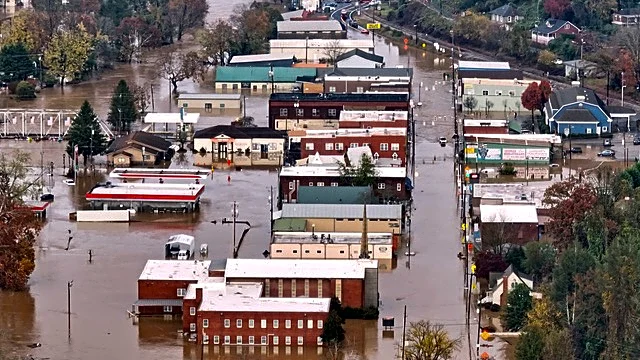
Georgia Governor Brian Kemp has declared a state of emergency for Fannin, Gilmer, Murray, and Union counties in North Georgia. This declaration comes after severe overnight flash flooding swamped business districts, damaged roads, and necessitated dozens
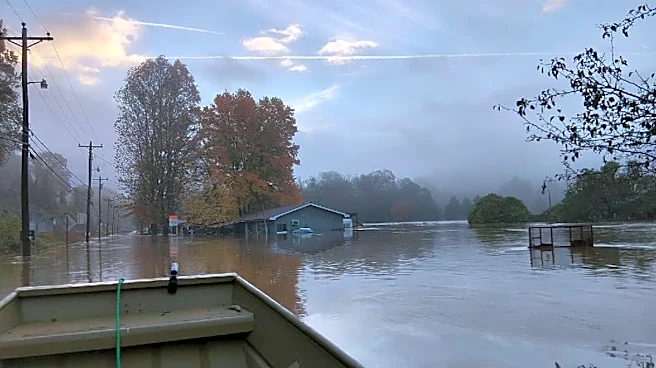
of resident evacuations. The Toccoa River, which flows into Tennessee as the Ocoee River, rose approximately 16 feet in 12 hours, reaching a record crest of about 18 feet, surpassing a historical high set in February 1990. The twin towns of McCaysville, Georgia, and Copperhill, Tennessee, located in a low river basin surrounded by mountains, experienced rapid runoff that overwhelmed the river channel. This led to widespread flooding, with water spreading hundreds of yards beyond the banks, washing out culverts, and causing significant structural damage. Residents in areas like Fightingtown Creek in Copperhill reported escaping through six feet of water as furniture floated inside their homes. First responders, including swift-water rescue teams and U.S. Army Rangers, conducted numerous rescues, utilizing boats and a military helicopter. While no major injuries were reported, several individuals were treated for hypothermia. By Thursday afternoon, floodwaters began to recede, revealing thick silt, mud-caked streets, and damaged storefronts in the shared downtown tourism corridor.
Why It's Important?
The state of emergency declaration is crucial as it mobilizes state equipment, emergency agencies, and funding to support local cleanup and recovery efforts. The extensive damage to infrastructure, including washed-out roads and potentially compromised bridges, will significantly disrupt daily life and commerce in the affected counties. Businesses in McCaysville and Copperhill, particularly those in the downtown tourism corridor, face substantial losses and a challenging recovery period. The economic impact will be felt by local business owners, many of whom are now assessing the damage to their livelihoods. The need for swift-water rescue teams and the involvement of U.S. Army Rangers highlight the severity and immediate danger posed by the flooding, underscoring the vulnerability of communities in mountainous regions to rapid water surges. The record-breaking river crest also signals a potential shift in weather patterns or increased intensity of storm events, which could have long-term implications for flood preparedness and infrastructure resilience in the region.
What's Next?
With the state of emergency in effect, state resources will be deployed to assist with damage assessment and cleanup operations in Fannin, Gilmer, Murray, and Union counties. Emergency teams will continue to evaluate damaged infrastructure, including roads and bridges, to determine the extent of repairs needed and establish a timeline for restoration. Local officials and emergency services will focus on supporting displaced families and businesses as they begin the recovery process. The receding floodwaters will allow for a more comprehensive assessment of the total financial damage, which has not yet been officially estimated. Authorities will also need to address the long-term implications for flood mitigation strategies in the region, especially given the record-breaking river levels. The community will likely require ongoing support for rebuilding and economic recovery in the coming weeks and months.
Beyond the Headlines
The severe flooding in North Georgia underscores the broader challenges faced by communities in areas prone to extreme weather events. The rapid rise of the Toccoa River, reaching a record crest, highlights the increasing intensity and unpredictability of rainfall, potentially linked to changing climate patterns. This event could prompt a reevaluation of existing flood plain regulations and infrastructure development in riverine communities. The reliance on mutual aid associations and the deployment of military assets for rescue operations demonstrate the critical importance of inter-agency cooperation and robust emergency response systems. Furthermore, the devastation to local businesses, many of which are family legacies, raises questions about the adequacy of flood insurance coverage and disaster relief programs for small enterprises. The psychological and social impact on residents who experienced rapid displacement and significant property loss will also be a long-term concern, requiring community support and mental health resources.