






What's Happening?
According to the International Air Transport Association (IATA)'s 2026 Global Passenger Survey, 43% of surveyed passengers reported that immigration requirements have discouraged them from visiting a destination. This represents a 10-percentage-point
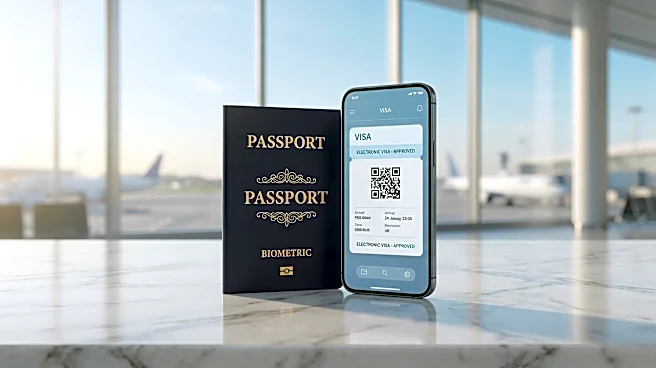
increase from 33% in 2025. The survey, which gathered over 10,000 responses from more than 200 countries, highlights that the complexity of procedures is the primary concern for 53% of deterred travelers, far outweighing cost (17%) or privacy concerns (17%). Regionally, Africa (52%) and Asia-Pacific (49%) showed the highest rates of deterrence, while North America (35%) had the lowest. The survey also revealed a strong preference for digital visa applications, with 60% of travelers preferring online processes and 86% willing to share immigration information digitally before departure to expedite the process. IATA emphasizes the need for governments to adopt common standards for verifying electronic visas (e-Visas), as over 100 countries now issue them without a standardized verification method for airlines.
Why It's Important?
The IATA survey findings underscore a significant barrier to international travel growth and efficiency. The increasing number of travelers deterred by complex visa requirements directly impacts the global tourism industry, airlines, and economies reliant on international visitors. This trend suggests that while travelers are embracing digital tools for trip planning, outdated or inconsistent immigration processes are hindering their willingness to travel. For the U.S. and other nations, this means potential losses in tourism revenue, business travel, and cultural exchange. The strong preference for digital solutions indicates a clear demand for modernization, which, if addressed, could unlock significant growth in international travel. The lack of standardized e-Visa verification also creates operational challenges for airlines, leading to potential delays and inefficiencies at borders.
What's Next?
IATA is urging governments worldwide to adopt common standards for digital travel documents and e-Visa verification. This call to action aims to simplify travel procedures for passengers while ensuring that airlines and border authorities can reliably verify authorizations. The industry will likely continue to advocate for greater digitalization and standardization of immigration processes, including the wider adoption of digital passports and biometrics, which are gaining popularity among travelers. Airlines and technology providers may also push for integrated solutions that allow for seamless verification of travel documents. Governments will need to consider investing in interoperable systems and international cooperation to meet traveler expectations and facilitate smoother, more secure international travel. The ongoing development of systems like ETIAS in Europe also points towards a future with more pre-travel authorizations.
Beyond the Headlines
The growing frustration with visa complexities highlights a broader tension between national security concerns and the economic benefits of open travel. While governments prioritize border security, the survey suggests that current immigration requirements are often perceived as overly burdensome, leading to a chilling effect on international mobility. This issue also touches upon digital identity and privacy concerns, as travelers are increasingly willing to share biometric and personal data for convenience, but remain wary of data breaches. The push for standardized digital travel documents could lead to a more integrated global travel ecosystem, but it also raises questions about data governance, international cooperation on data sharing, and the potential for a two-tiered system where those with advanced digital identities experience smoother travel. The disparity in deterrence rates across regions also points to potential inequalities in global mobility and access.