




What's Happening?
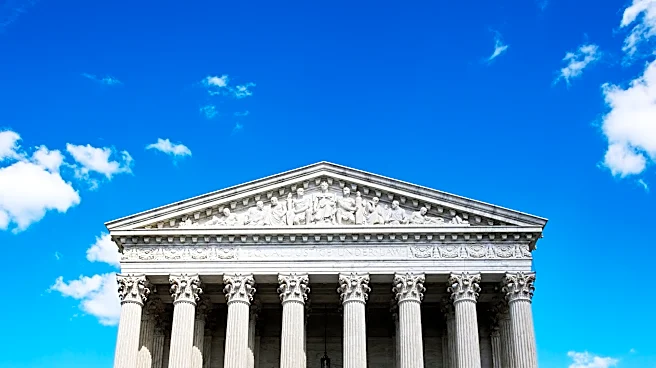
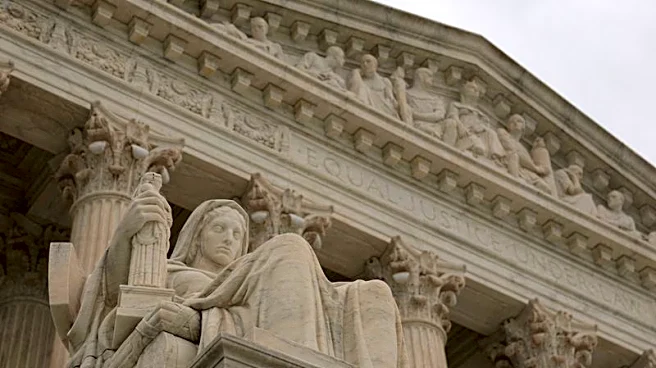
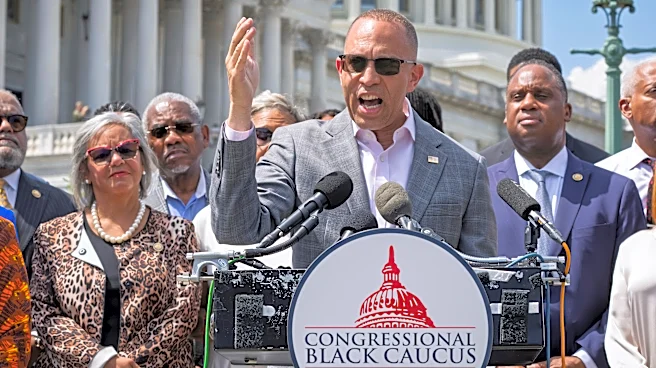
The debate over imposing term limits on U.S. Supreme Court justices is gaining traction, with recent legislative proposals and public support. Representative Hank Johnson introduced a bill for an 18-year term limit, reflecting growing public approval
for such measures. Critics argue that term limits won't depoliticize the Court, as its power to decide political issues remains. However, proponents believe term limits could align the Court more closely with public sentiment over time. The discussion highlights the tension between maintaining judicial independence and ensuring the Court reflects contemporary political realities.
Why It's Important?
The push for Supreme Court term limits is significant as it addresses concerns about the Court's composition and its alignment with public opinion. The current system allows justices to serve for life, leading to potential imbalances in political representation. Term limits could ensure a more regular turnover, potentially reducing the influence of any single administration on the Court's makeup. This debate also reflects broader discussions about judicial reform and the role of the judiciary in a democratic society.
Beyond the Headlines
The proposal for term limits raises questions about the future role of former justices and the potential impact on the legal profession. Critics worry about a 'revolving door' where former justices could leverage their experience for private gain. However, historical patterns suggest that justices rarely return to active legal practice. The debate also touches on the ethical implications of judicial appointments and the balance between judicial independence and accountability.