






What's Happening?
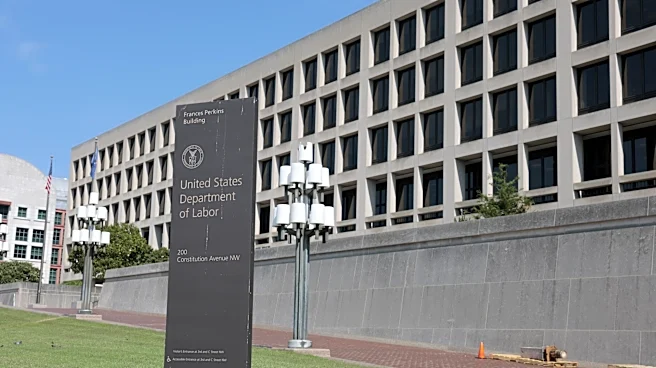
The U.S. Department of Labor (DOL) has proposed significant changes to the Permanent Labor Certification (PERM) immigrant visa program, marking the most substantial overhaul in nearly two decades. The proposed rule, titled 'Modernizing the Labor Market
Test and Improving Protections for U.S. Workers in the Permanent Labor Certification Immigrant Visa Program,' aims to strengthen protections for U.S. workers, modernize recruitment requirements, and enhance program integrity in employment-based immigration. Key proposals include eliminating Schedule A occupations, which currently bypass the PERM process, and expanding recruitment requirements to include mandatory postings on employer websites, job-search websites, and social media. Additionally, the rule introduces stricter layoff-related restrictions, generally prohibiting PERM filings if layoffs occurred in similar occupations within the previous two years, and mandates enhanced notice and compliance obligations for employers. The proposal also addresses remote, hybrid, and roving work arrangements and formalizes electronic filing and documentation requirements.
Why It's Important?
If finalized, these proposed changes would profoundly impact U.S. employers sponsoring foreign nationals for green cards under EB-2 and EB-3 immigrant visa categories. The elimination of Schedule A occupations means that professional nurses, physical therapists, and individuals with exceptional abilities would no longer be exempt from the full PERM process, potentially increasing processing times and administrative burdens for employers in these critical sectors. Expanded recruitment requirements aim to ensure that employers genuinely seek U.S. workers first, but could also add significant costs and complexity to the hiring process for foreign talent. The stricter layoff restrictions are designed to protect U.S. workers but could limit employers' ability to sponsor foreign workers even after a period of economic adjustment. Overall, the rule seeks to rebalance the employment-based immigration system, potentially making it more challenging and time-consuming for U.S. companies to secure foreign talent, while ostensibly safeguarding domestic job opportunities.
What's Next?
The proposed rule is scheduled for publication in the Federal Register on November 17, 2026, initiating a 60-day public comment period. During this time, interested parties, including employers, immigration attorneys, and advocacy groups, can submit feedback to the DOL. It is crucial for stakeholders to actively participate in this comment period to voice concerns or support for specific provisions, as public input can influence the final rule. Since these are proposed changes, no immediate alterations to the PERM process are in effect. After the comment period, the DOL will review all submissions and may revise the rule before issuing a final version. The timeline for finalization is uncertain, but once implemented, employers will need to significantly adjust their recruitment, hiring, and compliance strategies for employment-based green card sponsorships.
Beyond the Headlines
The DOL's proposed overhaul of the PERM program reflects a broader policy debate about the role of foreign workers in the U.S. economy and the balance between protecting domestic jobs and attracting global talent. The emphasis on 'strengthening protections for U.S. workers' suggests a nationalistic approach to labor policy, potentially impacting industries that rely heavily on foreign-born professionals, such as healthcare and technology. The increased scrutiny on recruitment and layoff practices could lead to a more cautious approach by companies when considering foreign hires, potentially affecting innovation and competitiveness in certain sectors. Furthermore, the formalization of electronic processing and expanded documentation requirements indicate a move towards greater transparency and accountability, but also signal an increased administrative burden for businesses. This rule could reshape the landscape of employment-based immigration, influencing long-term workforce planning and talent acquisition strategies across various U.S. industries.