





What's Happening?
Federal prosecutors have charged Cornelius Shannon, a 51-year-old from New Jersey, and Arturo Hernandez, a 20-year-old from Texas, with using artificial intelligence to create and distribute sexually explicit deepfake videos and photos. These charges
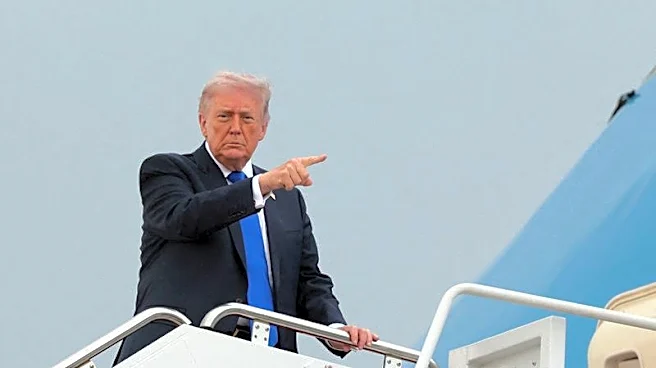
are among the first under the Take It Down Act, a law signed last year by President Trump, which imposes stricter penalties for publishing AI-generated deepfakes and 'revenge porn.' The law received bipartisan support and was publicly backed by First Lady Melania Trump. Shannon and Hernandez are accused of generating explicit AI content that garnered millions of views online. Shannon allegedly published at least 240 albums of AI-generated pornography featuring female politicians, musicians, and singers. Hernandez's deepfakes included both celebrities and private individuals, such as recent high school graduates. The arrests highlight growing concerns over the misuse of generative AI tools to create sexually explicit content, often involving minors.
Why It's Important?
The charges against Shannon and Hernandez underscore the increasing legal and ethical challenges posed by the misuse of artificial intelligence in creating deepfake pornography. The Take It Down Act represents a significant legislative effort to combat the proliferation of such content, which can have devastating personal and professional consequences for victims. The law's enforcement demonstrates a commitment to addressing the harms caused by deepfakes, which can include reputational damage, emotional distress, and privacy violations. The case also highlights the broader societal implications of AI technology, as it raises questions about digital consent, the protection of personal images, and the responsibilities of technology developers and platforms in preventing misuse. The outcome of these cases could set important legal precedents and influence future policy decisions regarding AI and digital privacy.
What's Next?
As the legal proceedings against Shannon and Hernandez unfold, there may be increased scrutiny on the enforcement of the Take It Down Act and its effectiveness in deterring the creation and distribution of deepfake pornography. The cases could prompt further legislative action to strengthen protections against AI-generated content and enhance penalties for offenders. Additionally, technology companies may face pressure to develop more robust tools and policies to detect and prevent the spread of deepfakes on their platforms. The legal community and advocacy groups may also push for greater awareness and education about the risks associated with AI technology and the importance of digital consent. The outcomes of these cases could influence future legal strategies and policy discussions surrounding AI and digital privacy.