






What's Happening?
Illinois is experiencing a significant increase in cases of cyclosporiasis, an intestinal illness caused by a microscopic parasite, with 141 reported cases this year. This rise is part of a broader outbreak affecting at least 17 states, with Michigan
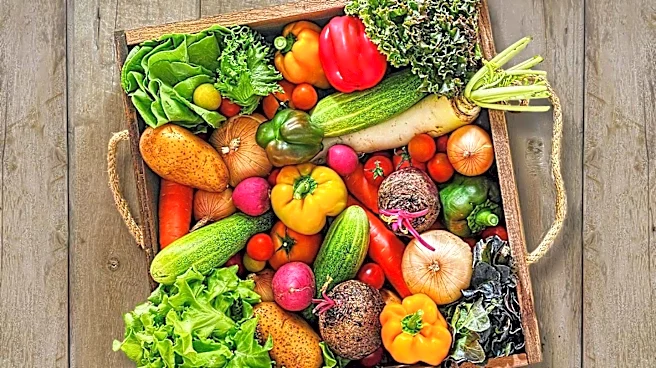
reporting the highest number of cases. The illness, which can cause severe diarrhea, is typically contracted through consuming contaminated food or water. The Centers for Disease Control and Prevention (CDC) and the Food and Drug Administration (FDA) are investigating the outbreak, although no specific source has been identified. Historically, foods like raspberries, basil, and cilantro have been linked to such outbreaks. Health officials recommend washing produce thoroughly to reduce the risk of infection.
Why It's Important?
The outbreak of cyclosporiasis highlights ongoing challenges in food safety and public health. The illness, while not usually life-threatening, can cause significant discomfort and health complications, particularly for those with weakened immune systems. The economic impact could be substantial, affecting the agriculture and food industries, especially if specific produce items are identified as sources. Public health systems may also face increased pressure to manage and contain the outbreak. The situation underscores the importance of robust food safety practices and international cooperation, as many cases involve individuals who have traveled abroad.
What's Next?
Health authorities are continuing to investigate the outbreak to identify the source and prevent further cases. Public health advisories may be issued if specific foods are identified as contaminated. Consumers are advised to remain vigilant about food hygiene, particularly with imported produce. The CDC and FDA will likely update guidelines and recommendations as more information becomes available. There may also be increased scrutiny on food importation practices and sanitation standards in countries linked to the outbreak.
Beyond the Headlines
The outbreak raises questions about global food supply chains and the challenges of ensuring food safety across borders. It also highlights the need for improved sanitation infrastructure in developing countries, where such parasites are more prevalent. The situation may prompt discussions on the balance between food importation and domestic production, as well as the role of consumer education in preventing foodborne illnesses.