






What's Happening?
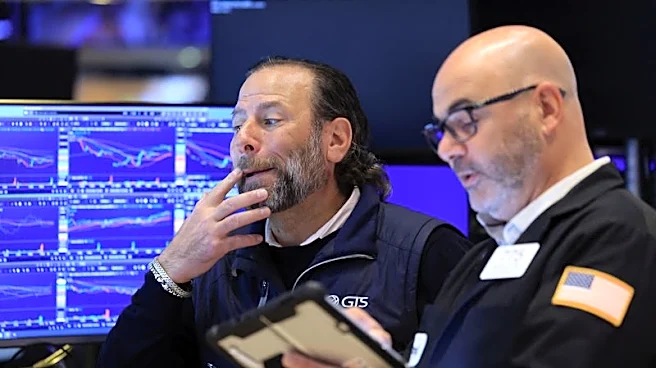
The U.S. bond market is sending strong signals of economic concern, directly contrasting President Trump's optimistic assertions about the economy. The yield on 30-year Treasuries recently reached a 24-year high of 5.6%, indicating investor belief that
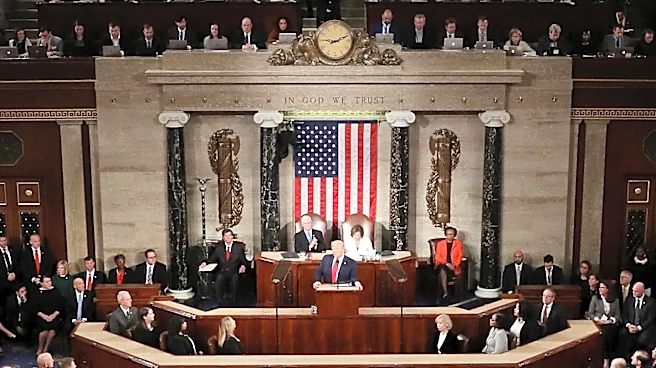
inflation challenges are worsening and more interest rate hikes from the Federal Reserve are likely. This surge in yields has led to mortgage rates soaring to 7.5% and the cost of diesel significantly impacting farmers and truckers. Concurrently, consumer confidence is collapsing. Despite these economic headwinds, President Trump is embarking on a national political tour, focusing on Republican strongholds and promoting the benefits of data centers. Senate Republicans, however, are expressing concern, with some pushing legislation to mitigate the impact of high electricity prices from these facilities. Treasury Secretary Scott Bessent's attempt to intervene in the bond market through increased bond buybacks has reportedly failed, with Senator John Kennedy (R-La.) stating, 'You can’t fight the bond market.'
Why It's Important?
The bond market's actions are politically significant, creating a challenging environment for Republicans ahead of the midterm elections. High Treasury yields translate to increased borrowing costs across the economy, directly affecting American households through higher mortgage rates and businesses through increased operational expenses, such as diesel costs. The collapsing consumer confidence further exacerbates these concerns, as it can lead to reduced spending and slower economic growth. The perceived failure of the Treasury Secretary's intervention highlights the market's independent power and its ability to influence economic conditions despite government efforts. For the Republican party, the 'tough' economic landscape, as acknowledged by Rep. Morgan Griffith, makes it difficult to align with President Trump's positive economic narrative, potentially impacting their electoral prospects. The situation underscores the deep connection between economic performance and political outcomes, especially when key economic indicators diverge sharply from official rhetoric.
What's Next?
The Bureau of Economic Analysis is scheduled to release the August personal consumption expenditures (PCE) price index and the September jobs numbers. These reports will be closely watched for further indications of inflation and labor market health, which could either alleviate or intensify the current economic concerns. Regardless of the immediate data, the political implications for Republicans are significant, as they face the challenge of addressing voter anxieties about the economy. President Trump's continued focus on economic strengths, such as data centers, will be juxtaposed against the tangible impacts of high borrowing costs and declining consumer confidence. Senate Republicans may continue to pursue legislative measures aimed at mitigating the economic pressures on constituents. The ongoing tension between the bond market's signals and the administration's economic messaging will likely remain a central theme in the political discourse leading up to the elections.
Beyond the Headlines
The current economic and political dynamic reveals a fundamental tension between market realities and political narratives. The bond market, often seen as a dispassionate arbiter of economic health, is signaling deep-seated concerns about inflation and fiscal sustainability, which directly challenge President Trump's optimistic portrayal of the economy. This divergence highlights the limitations of political rhetoric in shaping economic perceptions when faced with tangible financial pressures on households and businesses. The situation also brings to the forefront the debate over government intervention in financial markets, as evidenced by the Treasury Secretary's unsuccessful bond buyback program. The long-term implications could include a re-evaluation of economic policy approaches, a greater emphasis on fiscal discipline, and a potential shift in how political leaders communicate economic realities to the public. The 'you can’t fight the bond market' sentiment suggests a powerful, independent force that ultimately dictates the cost of capital and, by extension, the pace of economic activity, regardless of political will.