










What's Happening?
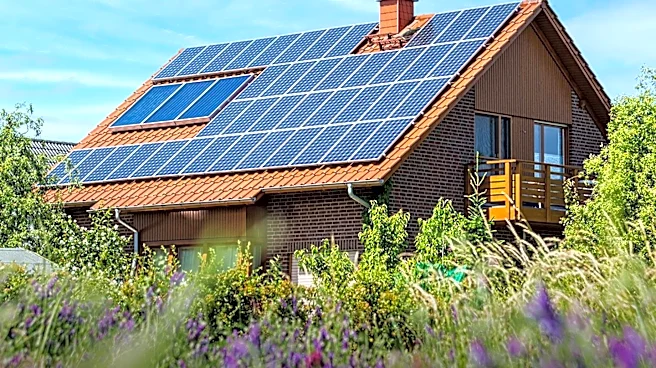
BC Hydro has announced changes to its net metering program, transitioning from the old Rate Schedule 1289 to the new Rate Schedule 2289. This change, effective July 1, 2026, will see new self-generation customers receiving payments of 10¢/kWh for excess
generation during the billing cycle, rather than banking it as future kWh credits. Existing customers will have a transition period, and a community generation option has been introduced. This shift reflects a broader move from passive export credits to a model that compensates residential customers for providing flexible electricity services, such as load shifting and battery dispatch.
Why It's Important?
The change in BC Hydro's net metering policy is part of a global trend towards more dynamic and flexible energy systems. By moving away from annual kWh banking, the new model encourages self-consumption and the use of storage solutions, aligning with the increasing penetration of rooftop solar and the need for grid stability. This approach can lead to more efficient energy use and potentially lower costs for consumers. It also highlights the evolving role of residential solar users as active participants in the energy market, providing services that support grid reliability.
What's Next?
The transition to the new rate schedule is just the beginning. BC Hydro, along with regulators and other utilities, will need to develop additional strategies to fully integrate residential flexibility into the energy system. This could include time-sensitive pricing, managed EV charging, and dynamic export access. The success of these initiatives will depend on the ability to balance consumer incentives with grid needs, potentially setting a precedent for other regions facing similar challenges.