








What's Happening?
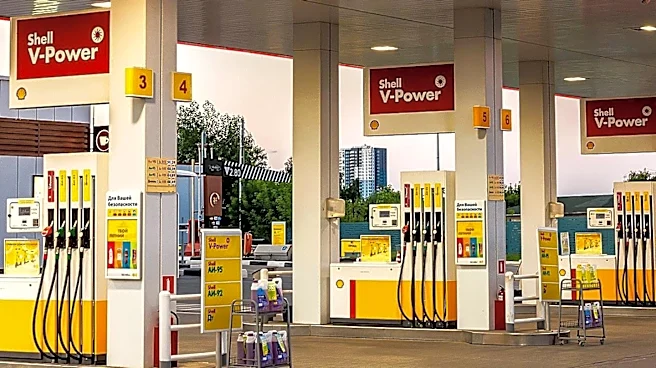
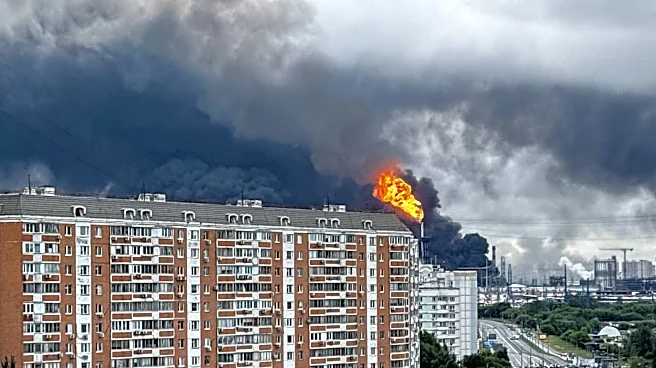
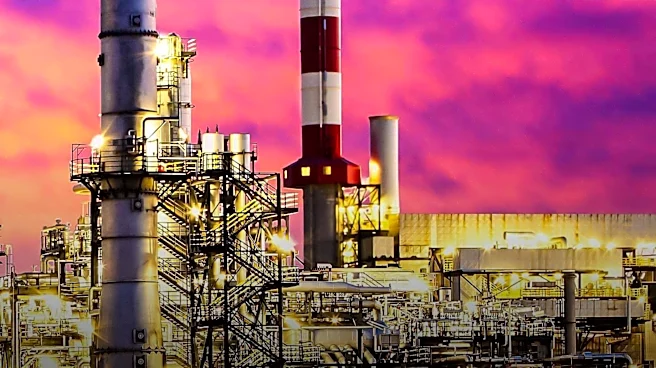
Russia is experiencing a severe gasoline crisis following a series of Ukrainian drone strikes targeting its oil refineries. These attacks have significantly disrupted the country's fuel production capabilities, leading to widespread shortages and long
queues at gas stations. The strikes have primarily affected major refineries, including those in Moscow, Omsk, and Nizhny Novgorod, causing a substantial drop in gasoline and diesel output. In response, Russia has begun importing gasoline, with plans to bring in approximately 400,000 tons monthly to mitigate the shortage. The crisis has prompted authorities to recommend remote work and limit the use of private vehicles to conserve fuel.
Why It's Important?
The fuel crisis in Russia has significant implications for both the domestic and international markets. Domestically, the shortage is causing economic strain, affecting transportation and logistics, and leading to increased fuel prices. This situation could exacerbate inflationary pressures and impact consumer spending. Internationally, the crisis highlights the vulnerability of energy supply chains to geopolitical conflicts, as seen with the Ukrainian strikes. The need for Russia to import gasoline, despite being a major oil producer, underscores the severity of the situation and could influence global oil prices and trade dynamics.
What's Next?
As the crisis unfolds, Russia's reliance on gasoline imports is expected to continue, potentially leading to further economic and political ramifications. The government may need to explore additional measures to stabilize the fuel supply, such as increasing domestic production or negotiating new import agreements. The ongoing conflict with Ukraine poses a continued threat to Russia's energy infrastructure, and further strikes could exacerbate the crisis. Stakeholders, including oil companies and government officials, will likely focus on enhancing security measures and exploring alternative supply routes to mitigate future disruptions.
Beyond the Headlines
The crisis also raises questions about the long-term sustainability of Russia's energy strategy, particularly in the context of geopolitical tensions and the global shift towards renewable energy sources. The reliance on fossil fuels and the vulnerability of critical infrastructure to external attacks highlight the need for diversification and investment in more resilient energy systems. Additionally, the situation underscores the broader implications of military conflicts on civilian infrastructure and the potential for such conflicts to disrupt global markets.