







What's Happening?
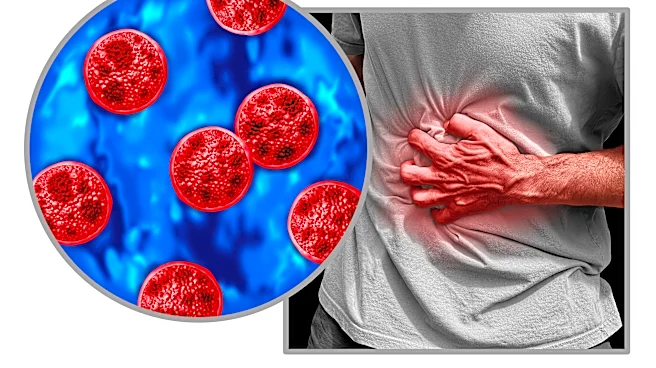
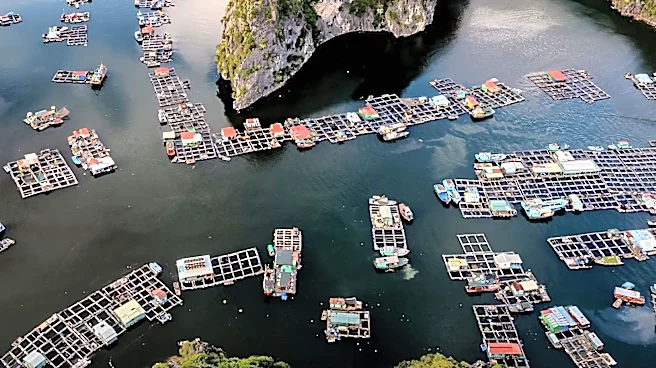
A study published in Osong Public Health and Research Perspectives has identified strains of Vibrio parahaemolyticus, a bacterium linked to seafood-related illnesses, in fish-farming waters near Cat Ba Island, Vietnam. This bacterium, which can cause
severe gastrointestinal issues, was found in 24.7% of water samples collected from 10 grouper mariculture farms. The study highlights the bacterium's resistance to multiple antibiotics, with 67.6% of isolates showing resistance to drugs like ampicillin and tetracycline. The presence of biofilms, which protect bacteria and make them harder to eliminate, was more common in resistant strains. The findings underscore the need for regular monitoring and improved hygiene in aquaculture to prevent the spread of antibiotic-resistant bacteria.
Why It's Important?
The detection of antibiotic-resistant bacteria in aquaculture environments poses significant risks to public health and seafood safety. As countries aim to expand seafood production, the spread of such bacteria could lead to increased cases of seafood-borne illnesses. The study's findings emphasize the importance of careful antibiotic use and regular environmental testing in aquaculture to safeguard seafood safety and sustain farm productivity. The presence of antibiotic-resistant bacteria in fish farming waters could potentially enter the seafood supply chain, highlighting the need for stringent control measures to protect consumers.
What's Next?
The study suggests that early monitoring of antibiotic-resistant bacteria in aquaculture systems could help mitigate public health risks. Implementing stronger hygiene measures and more careful antibiotic use in aquaculture could prevent the spread of resistant bacteria. The findings may prompt regulatory bodies to enforce stricter guidelines for antibiotic use in fish farming and encourage further research into alternative methods for controlling bacterial growth in aquaculture environments.