








What's Happening?
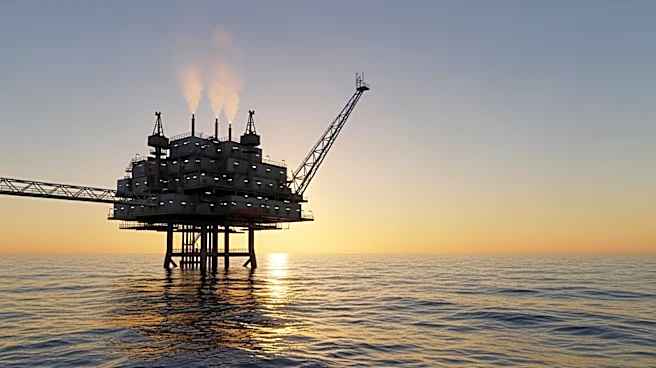
The Karish offshore gas rig has resumed operations after a 40-day shutdown due to security concerns amid conflict involving Iran. The ceasefire between the US, Israel, and Iran has allowed the Karish field to restart, despite its proximity to Lebanon
and the absence of a truce with Hezbollah. Energean, the operator of the Karish rig, is working to safely resume production and return operations to normal. The shutdown of the Karish field, along with the Leviathan field, which resumed operations earlier, resulted in significant economic damage, estimated at NIS 1.7 billion. The Ministry of Energy and Infrastructure has instructed Energean to restore the Karish rig, ensuring the continuity of energy supply in Israel.
Why It's Important?
The resumption of production at the Karish gas field is crucial for Israel's energy sector, which heavily relies on local gas reserves for electricity generation. The shutdown led to increased use of coal and diesel, raising production costs and impacting the economy. The reopening of the Karish field helps stabilize energy supply and reduce reliance on more expensive and less environmentally friendly fuels. Additionally, the ceasefire with Iran reduces geopolitical risks, allowing Israel to focus on energy security and economic recovery. The situation highlights the strategic importance of energy infrastructure in regional conflicts and the need for robust security measures.
What's Next?
With the Karish field back in operation, Israel's energy sector is expected to stabilize, reducing the need for emergency fuel sources like coal and diesel. The Ministry of Energy will continue monitoring developments to ensure uninterrupted energy supply. The geopolitical landscape remains tense, and future conflicts could impact energy operations again. Stakeholders, including Energean and government agencies, will likely focus on enhancing security protocols to protect critical infrastructure. The situation may also prompt discussions on diversifying energy sources and increasing investments in renewable energy to mitigate risks associated with geopolitical tensions.