







What's Happening?
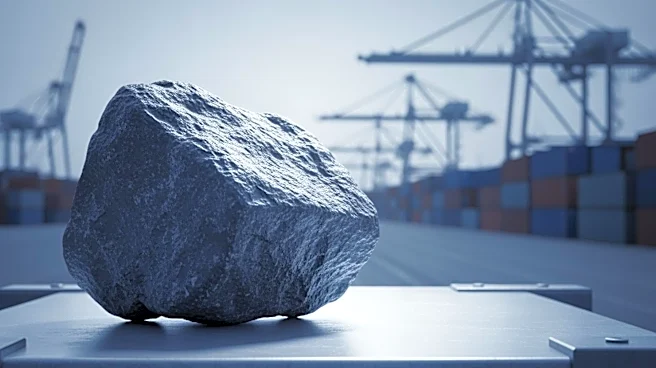
The UK government has announced the imposition of tariffs up to 50% on imported steel, a move aimed at bolstering the domestic steel industry. This decision is part of a broader strategy to prioritize domestic steel in various sectors, including AI, energy
infrastructure, and shipbuilding. The tariffs are intended to make UK steel more competitive against cheaper foreign imports, particularly from countries like China and Vietnam. However, this policy has raised concerns within the construction industry, which relies heavily on steel as a cost-efficient material. The increased cost of steel could lead to higher expenses for construction firms, potentially restricting growth and delaying projects, especially smaller domestic ones. The government is urged to consider measures to mitigate these impacts, such as subsidies for energy costs and incentives for purchasing UK steel.
Why It's Important?
The introduction of these tariffs is significant as it represents a critical step towards revitalizing the UK steel industry, which has faced challenges due to decades of underinvestment and competition from cheaper imports. By supporting domestic steel production, the UK aims to secure its economic and national security interests. However, the construction sector, already dealing with rising costs and skill shortages, may face additional financial burdens due to increased material prices. This could lead to project delays and increased costs for consumers. The government's ability to balance the needs of the steel and construction industries will be crucial in ensuring that the benefits of the tariffs are not offset by negative impacts on other sectors.
What's Next?
The UK government may need to implement additional measures to support the construction industry, such as offering subsidies to steelmakers to reduce production costs or providing tax incentives for using domestic steel. These steps could help mitigate the impact of higher steel prices on construction firms. Additionally, the government might explore further investments in green steel production to enhance efficiency and reduce costs. Monitoring the economic impact of these tariffs will be essential to ensure that the policy achieves its intended goals without causing undue harm to other industries.
Beyond the Headlines
The decision to impose steel tariffs highlights broader economic and strategic considerations, including the need for the UK to maintain a robust domestic manufacturing base. This move could also signal a shift towards more protectionist trade policies, reflecting a global trend of countries seeking to safeguard their industries. The long-term success of this policy will depend on the government's ability to foster a sustainable ecosystem that supports both the steel and construction sectors, potentially serving as a model for other industries facing similar challenges.