


What's Happening?
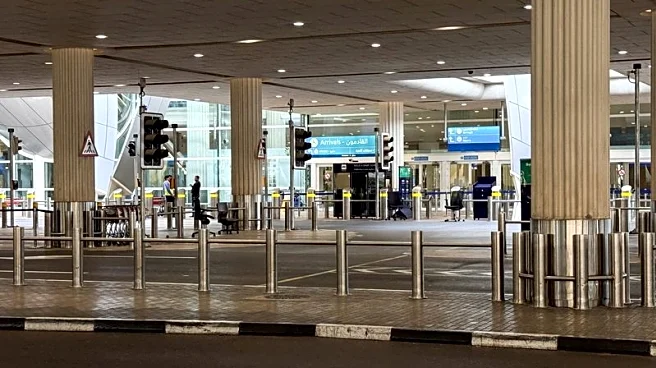
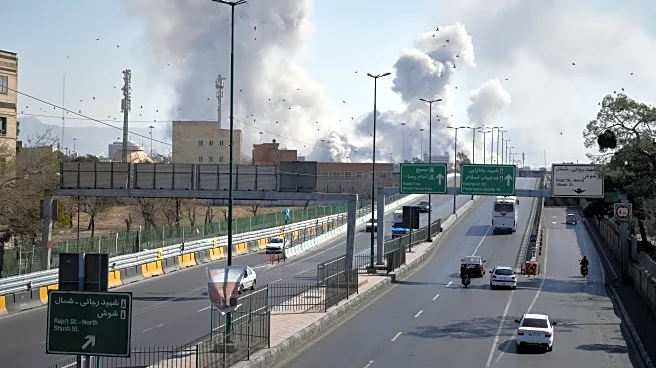
The ongoing tensions in the Middle East have led to significant disruptions in international air travel, impacting major transit hubs in the UAE, Oman, and Saudi Arabia. These disruptions have resulted in thousands of passengers being stranded due to sudden
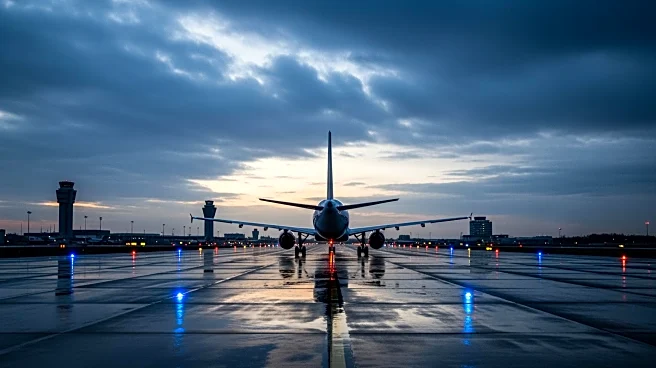
airspace adjustments and safety restrictions. In response, airlines such as Qatar Airways, Emirates, Etihad Airways, and IndiGo have launched coordinated repatriation flights to evacuate travelers from affected areas and restore connectivity between the Middle East and major global destinations. This effort involves sixty repatriation flights aimed at clearing airport backlogs and safely transporting passengers to countries including the UK, US, Canada, Spain, Germany, Netherlands, Thailand, and India. The situation underscores the vulnerability of global travel networks to geopolitical developments in one of the world's busiest aviation regions.
Why It's Important?
The disruption in air travel due to Middle East tensions highlights the fragility of global aviation networks and their susceptibility to geopolitical events. This situation has significant implications for international travel and tourism, affecting airlines, passengers, and economies reliant on tourism and business travel. The coordinated response by airlines and governments to facilitate repatriation flights demonstrates the importance of international cooperation in managing travel crises. The ability to quickly mobilize resources and adjust operations is crucial for maintaining global connectivity and ensuring passenger safety. The incident also serves as a reminder of the need for robust contingency planning in the aviation industry to mitigate the impact of geopolitical tensions on global travel.
What's Next?
As the situation in the Middle East continues to evolve, aviation authorities and airlines will need to closely monitor geopolitical developments and adjust flight routes to ensure passenger safety. The gradual stabilization of operations is expected, but ongoing vigilance will be necessary to prevent further disruptions. Airlines may need to explore alternative routes and enhance communication with passengers to manage expectations and provide timely updates. Additionally, governments and international organizations may engage in diplomatic efforts to address the underlying tensions and promote stability in the region, which could help prevent future disruptions in global air travel.