


What's Happening?
The Curry County Board of Commissioners has voted to send a letter to Congress, advocating for the permanent extension of a mining ban in parts of southern Oregon. Currently, the Southwestern Oregon Mineral Withdrawal, a federal order, prohibits new mining claims
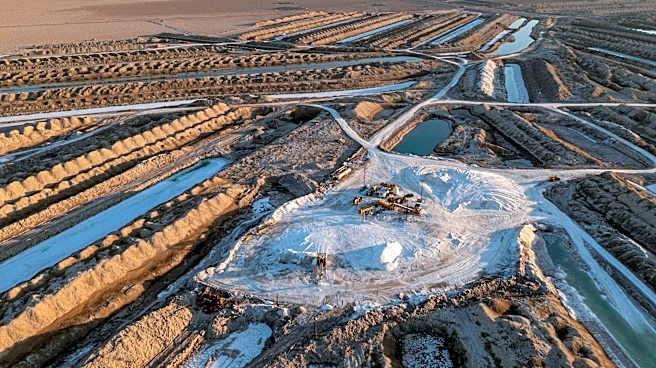
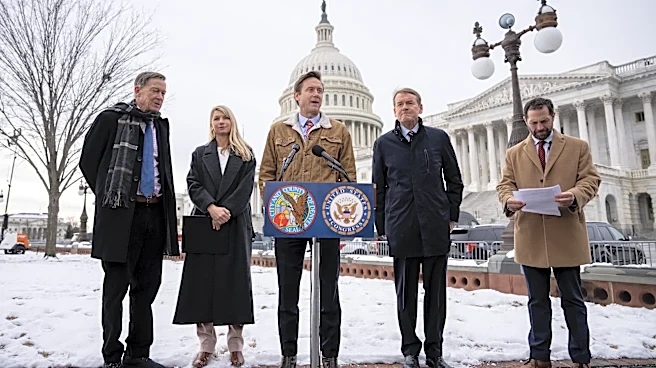
on approximately 101,000 acres in Curry and Josephine counties until 2036. Senators Ron Wyden and Jeff Merkley introduced the Oregon Recreation Enhancement Act in March 2025, which aims to make these protections permanent, among other provisions. This move comes as Homeland Nickel's Red Flat claims, located east of Gold Beach at the headwaters of Hunter Creek and the North Fork of the Pistol River, are said to contain the largest nickel deposit in the lower 48 states. Homeland Nickel CEO Steve Balch has stated the company will fight any bill seeking permanent protections, citing over $40 million spent since the claims were first staked in 2007 and the potential for a dangerous precedent if claims are taken without compensation. Both the existing withdrawal and the proposed legislation preserve valid existing mining rights, meaning Homeland Nickel's project would not be automatically halted, but new claims would be prevented after 2036.
Why It's Important?
This action by Curry County commissioners underscores a significant conflict between environmental protection and economic development in resource-rich areas of the U.S. The push for a permanent mining ban reflects growing concerns over the ecological impact of large-scale mining operations on natural landscapes and water sources. For the mining industry, particularly companies like Homeland Nickel, such bans represent a threat to their investments and future operations, potentially leading to substantial financial losses and legal challenges over compensation. The debate highlights the tension between federal land management, local community interests, and corporate resource extraction. The outcome of this legislative effort could influence future land use policies across the nation, particularly in areas with valuable mineral deposits and sensitive ecosystems, setting a precedent for how such conflicts are resolved.
What's Next?
The letter from Curry County commissioners will add local government weight to the Oregon Recreation Enhancement Act currently before Congress. Homeland Nickel is expected to continue its opposition to the bill, likely engaging in lobbying efforts and potentially legal action if the ban becomes permanent without compensation for their claims. The legislative process will involve deliberations in Congress, where environmental advocates, local communities, and mining industry representatives will present their cases. The bill's passage would solidify long-term environmental protections for the affected areas, while its failure would leave the door open for potential new mining claims after 2036. The debate will also likely focus on the definition of 'valid existing mining rights' and the compensation mechanisms for companies whose claims are impacted by such legislation.
Beyond the Headlines
This situation touches on broader themes of federalism and environmental justice. While the claims are on federal land, local governments like Curry County are asserting their voice in national policy decisions that directly affect their communities. The 'existential crisis' described by Commissioner Lynn Coker reflects a deep-seated concern among residents about the long-term environmental and social costs of mining, even if it promises economic benefits. The case also highlights the increasing scrutiny on resource extraction industries and the growing demand for sustainable practices. The potential for a permanent ban could signal a shift in how the U.S. balances its need for critical minerals with its commitment to preserving natural heritage, potentially influencing investment in domestic mining versus reliance on international sources.