








What's Happening?
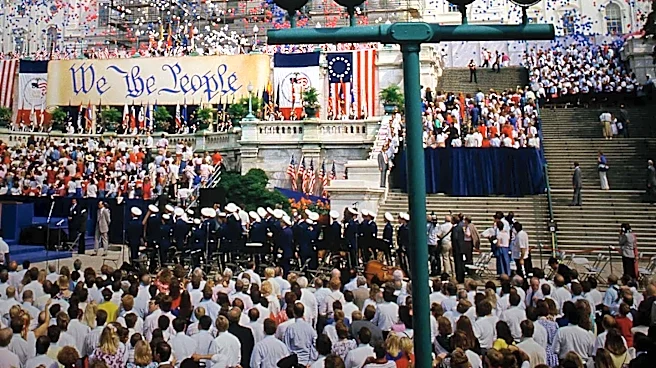
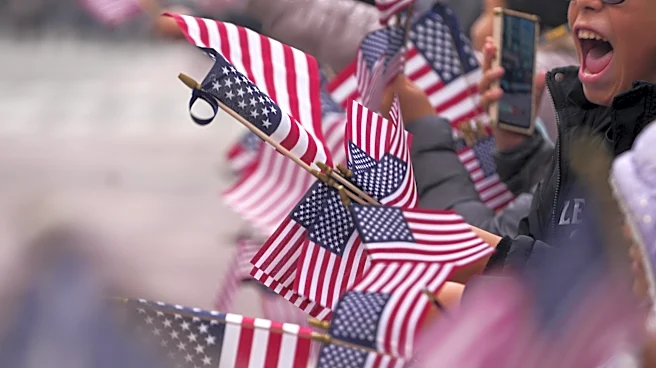
Holtville, a small city in the Imperial Valley, marked America's 250th anniversary with a significant celebration that included the opening of a time capsule. The event took place on July 3, 2026, at Holt Park, drawing visitors from across the nation.
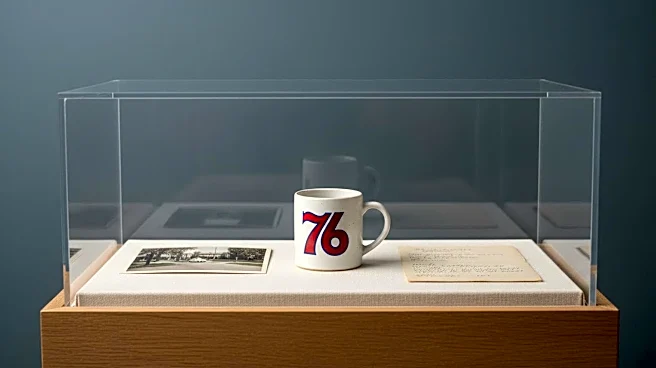
The time capsule, originally sealed on July 4, 1976, was opened earlier than planned to preserve its contents. Despite some damage, several items were salvaged, including letters from school children, local newspaper articles, and a letter from the 1976 mayor, Lynn Wilson. The celebration also featured food stands, live music, and a fireworks display, attracting a large crowd.
Why It's Important?
The event highlights the cultural and historical significance of community traditions and the preservation of local history. By opening the time capsule, Holtville not only celebrated its past but also engaged its community in reflecting on changes over the past 50 years. Such events foster community spirit and continuity, offering a tangible connection to the past. The celebration also served as a reminder of the town's agricultural roots and its ongoing evolution. The large turnout underscores the importance of community events in maintaining local identity and cohesion.
What's Next?
Following the successful celebration, the city of Holtville may continue to leverage such events to boost community engagement and tourism. The preserved items from the time capsule could be displayed in local museums or online, providing educational opportunities for residents and visitors. The city might also consider creating new time capsules to capture the current era for future generations. Additionally, the success of this event could inspire other small towns to organize similar celebrations, promoting local history and community pride.
Beyond the Headlines
The opening of the time capsule and the associated celebrations reflect broader themes of memory, heritage, and the passage of time. They highlight the challenges of preserving historical artifacts and the importance of adapting preservation techniques to modern standards. The event also raises questions about how communities choose to remember and commemorate their past, and the role of such commemorations in shaping future identities. As technology advances, the methods of preserving and sharing historical records may evolve, influencing how future generations engage with their history.