



What's Happening?
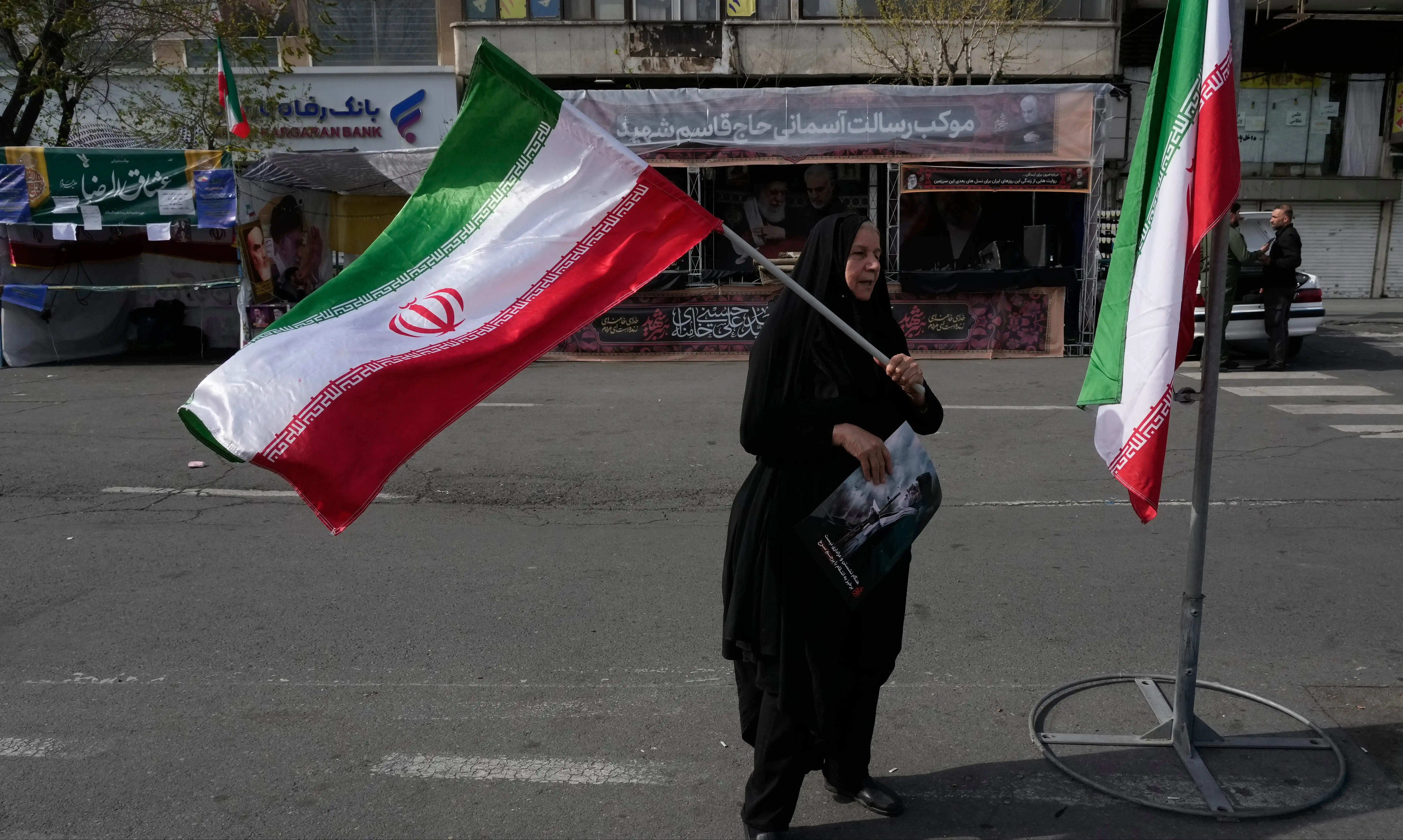
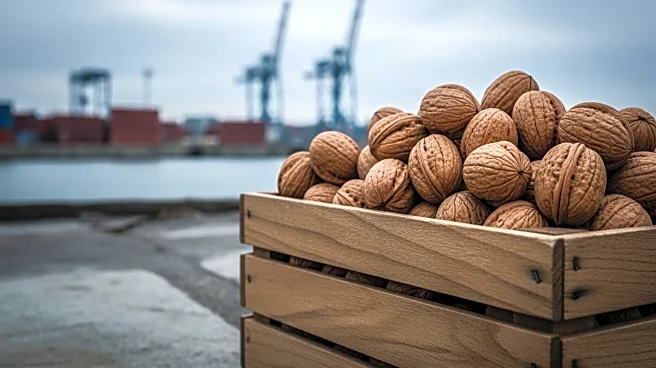
California walnut farmers are experiencing significant disruptions in their shipping routes due to the ongoing conflict in Iran. The closure of the Strait of Hormuz, a critical passage for shipping, has left many agricultural shipments stranded at sea.
Bill Carriere of Carriere Family Farms in Glenn, California, reports that the Middle East, particularly Dubai, accounts for over 20% of his business. With fears of Iranian missile strikes, shipments are delayed, and there is growing concern that the current crop could spoil, leading to a backlog before the next harvest. Rising oil prices are further exacerbating the situation by increasing shipping and transportation costs.
Why It's Important?
The disruption of shipping routes due to geopolitical tensions highlights the vulnerability of global supply chains, particularly for agricultural products. For California farmers, who already face elevated input costs, this situation adds financial strain and uncertainty. The potential spoilage of crops could lead to significant economic losses and impact the availability of walnuts in international markets. This scenario underscores the interconnectedness of global trade and the ripple effects that regional conflicts can have on industries far beyond their immediate vicinity.
What's Next?
Farmers and industry stakeholders are closely monitoring the situation, hoping for a resolution that will allow for the resumption of normal shipping operations. The California Farm Bureau is actively assessing the impact and exploring potential solutions to mitigate the financial strain on farmers. In the meantime, farmers may need to explore alternative markets or shipping routes to minimize losses. The situation may also prompt discussions on the need for more resilient supply chains and contingency plans to address similar disruptions in the future.