








What's Happening?
The Philadelphia Parking Authority (PPA) has begun enforcing its expanded Smart Loading Zones in Center City and Old City, issuing tickets after a 30-day warning period. This initiative, which started as a pilot program last year with 22 locations, has now
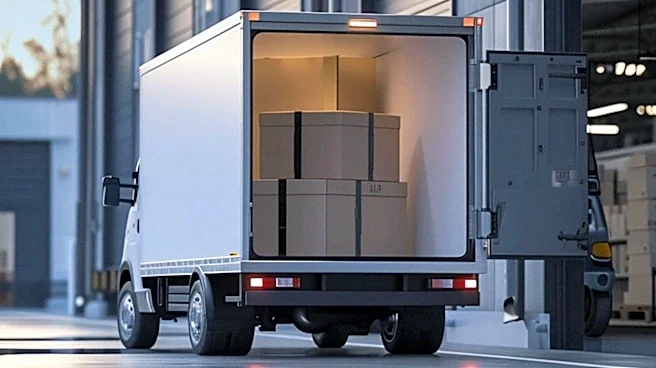
grown to cover an additional 30 zones, totaling 52 city blocks. Drivers are required to register through the CurbPass app, which charges 10 cents per minute for up to an hour. Parking longer than an hour incurs a $51 fine. Unregistered drivers parking in these zones for over three minutes also face a $51 fine, while double-parking results in a $76 fine. Cameras monitor these zones, and violators receive tickets by mail. The PPA's objective is to reduce traffic congestion and improve traffic flow in these busy areas. Since the program's inception, the PPA reports a 28% improvement on Chestnut Street and a 32% improvement on Walnut Street. PPA acting executive director Gabe Roberts stated that the program is making substantial progress in reducing congestion, thereby enhancing public safety and quality of life.
Why It's Important?
This expansion of Smart Loading Zones in Philadelphia represents a significant effort by a major U.S. city to leverage technology for urban traffic management. The reported improvements in traffic flow on Chestnut and Walnut Streets suggest that such initiatives can be effective in mitigating congestion, which is a persistent challenge in many American urban centers. Reduced congestion can lead to several positive outcomes, including decreased travel times for commuters and commercial vehicles, lower fuel consumption, and improved air quality. For businesses, more efficient traffic flow can mean faster deliveries and easier access for customers, potentially boosting local economies. However, the program also highlights a tension between urban planning goals and the practical needs of residents and businesses. Some drivers express concerns that the zones make parking more difficult and impose financial burdens, particularly for those who live or frequently visit these areas. This initiative could serve as a model or a cautionary tale for other U.S. cities grappling with similar traffic issues, demonstrating both the potential benefits of smart city solutions and the importance of addressing community concerns.
What's Next?
The Philadelphia Parking Authority will continue to monitor the effectiveness of the expanded Smart Loading Zones and assess their impact on traffic flow, public safety, and the local community. It is likely that the PPA will analyze data from the newly implemented zones to determine if further expansion or adjustments to the program are warranted. Public feedback, both positive and negative, will play a crucial role in shaping the future of this initiative. Drivers and businesses in the affected areas will need to adapt to the new regulations, potentially leading to changes in parking habits and delivery logistics. There may be ongoing discussions and debates among city officials, residents, and business owners regarding the balance between traffic management and accessibility. Other U.S. cities facing similar congestion challenges will likely observe Philadelphia's experience to inform their own urban planning and smart transportation strategies. The success or challenges encountered by this program could influence the adoption of similar technology-driven solutions across the country.
Beyond the Headlines
The implementation of Smart Loading Zones in Philadelphia touches upon broader implications concerning urban infrastructure, technology integration, and social equity. The use of cameras and app-based payment systems signifies a growing trend towards data-driven urban management, raising questions about privacy and the collection of public space data. The program's impact on different socioeconomic groups is also a consideration; while it aims to improve overall traffic, the fines and app requirements could disproportionately affect individuals with limited access to technology or financial resources. Furthermore, the debate surrounding the zones highlights the ongoing tension between promoting efficient urban mobility and ensuring convenient access for all city users, including residents, delivery services, and visitors. This initiative could also spark discussions about alternative solutions to urban congestion, such as enhanced public transportation, pedestrian-friendly infrastructure, and policies that encourage reduced private vehicle use. The long-term success of such programs will depend not only on their ability to alleviate traffic but also on their capacity to integrate seamlessly into the urban fabric and address the diverse needs of the community.