






What's Happening?
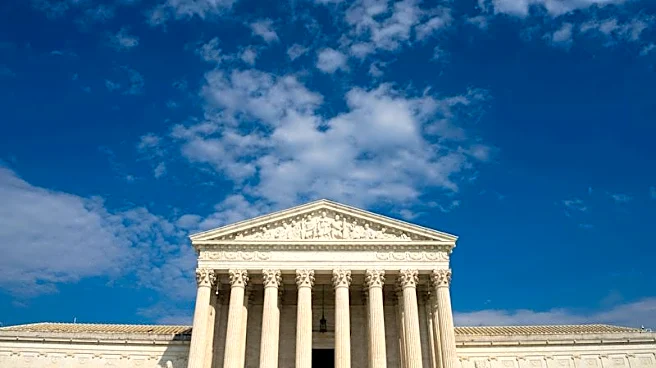
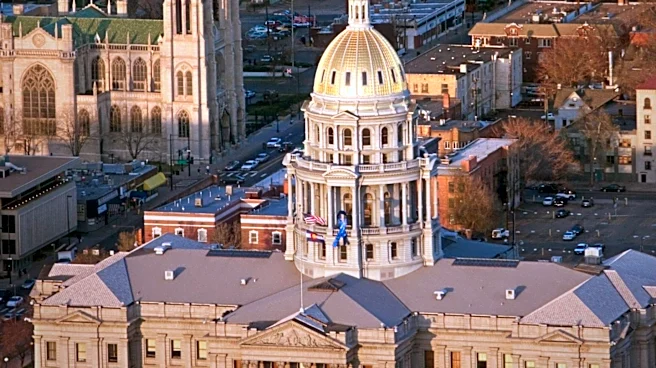
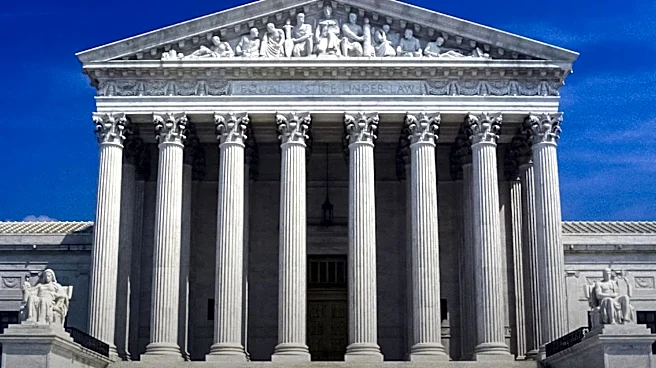
On March 31, the U.S. Supreme Court, in an 8-1 decision in the case of Chiles v. Salazar, remanded Colorado’s ban on conversion therapy for minors to the Tenth Circuit. The ban specifically targeted licensed mental health professionals. The plaintiff,
Kaley Chiles, a licensed professional counselor in Colorado, argued that the law infringed upon her protected free speech rights. The Supreme Court determined that the Colorado law does restrict protected speech under the First Amendment of the U.S. Constitution. Consequently, the case has been sent back to the state’s lower court for strict scrutiny. This ruling has sparked discussions regarding ethical considerations for counselors and its potential impact on the LGBTQ+ community, particularly concerning the distinction between counseling as conduct versus speech.
Why It's Important?
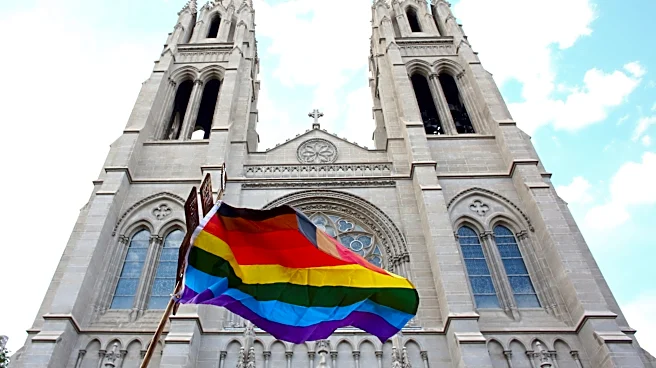
This Supreme Court decision carries significant implications for the regulation of mental health practices and free speech in the United States. By remanding Colorado's ban, the Court has signaled a need for closer examination of how state laws restricting certain therapeutic practices interact with First Amendment protections. For the LGBTQ+ community, especially minors, this ruling could heighten concerns about the availability of affirming care and the potential for coercive practices. Professional counseling organizations, such as the American Counseling Association (ACA) and the Society for Sexual, Affectional, Intersex, and Gender Expansive identities (SAIGE), maintain that conversion therapy is harmful and unethical, regardless of legal permissibility. The ruling underscores the ongoing tension between legal frameworks and ethical guidelines in the mental health field, potentially influencing how other states approach similar legislative efforts.
What's Next?
The case will now return to the Tenth Circuit for further review, where it will undergo strict scrutiny to determine if the state's interest in protecting minors from conversion therapy outweighs the free speech concerns raised by the plaintiff. Counselors and professional organizations will closely monitor this process, as the outcome could set precedents for how counseling practices are regulated nationwide. There is an expectation that other states may take action or re-evaluate their own conversion therapy bans in light of this Supreme Court decision. Mental health professionals are advised to continue practicing ethically and within the scope of their state's licensing laws, prioritizing evidence-based practices and client well-being, while also being mindful of evolving legal interpretations.
Beyond the Headlines
The Supreme Court's decision delves into the complex interplay between professional ethics, state regulatory power, and constitutional rights, particularly the First Amendment. It raises fundamental questions about the nature of therapeutic communication—whether it is primarily 'conduct' subject to regulation or 'speech' protected from government interference. This distinction could have far-reaching consequences beyond conversion therapy, potentially affecting how other forms of counseling and professional advice are regulated. The ruling also highlights the ongoing societal debate surrounding LGBTQ+ identities and the role of mental health professionals in supporting or challenging those identities. It may prompt a re-examination of how ethical guidelines are enforced when they conflict with legal interpretations of free speech, potentially leading to new legal challenges and legislative efforts across various states.