





What's Happening?
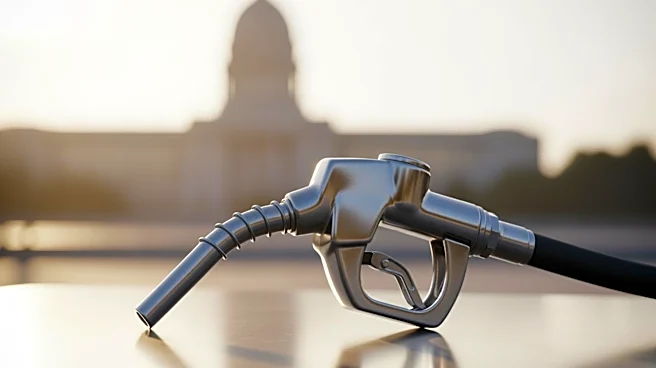
As Memorial Day approaches, Americans are facing near-record gas prices, driven by ongoing geopolitical tensions in Iran that have disrupted oil supplies. The White House, under President Trump, has introduced several measures to alleviate the financial
burden on consumers. These include releasing oil from the Strategic Petroleum Reserve and temporarily waiving the Jones Act to expedite fuel transportation between U.S. ports. Despite these efforts, gas prices continue to rise, with California seeing prices as high as $6.14 per gallon. The situation is exacerbated by the broader economic impact of rising diesel costs, which affect freight, shipping, and public transportation, further inflating prices across various sectors.
Why It's Important?
The surge in fuel prices poses significant economic challenges, particularly as the U.S. approaches the 2026 midterm elections. High gas prices are a political vulnerability, potentially influencing voter sentiment. The economic ripple effect of increased diesel costs could lead to higher prices for goods and services, impacting consumer spending and economic stability. The situation underscores the fragility of global energy markets and the U.S. economy's exposure to international conflicts, particularly those affecting critical oil supply routes like the Strait of Hormuz.
What's Next?
With the midterm elections on the horizon, the administration may face increased pressure to implement further measures to stabilize fuel prices. Potential actions could include additional releases from strategic reserves or legislative efforts to provide relief to consumers. The ongoing conflict in Iran and its impact on global oil markets will likely continue to influence U.S. energy policy and economic strategies. Stakeholders, including political leaders and industry groups, will need to navigate these challenges to mitigate economic disruptions and address public concerns.