


What's Happening?
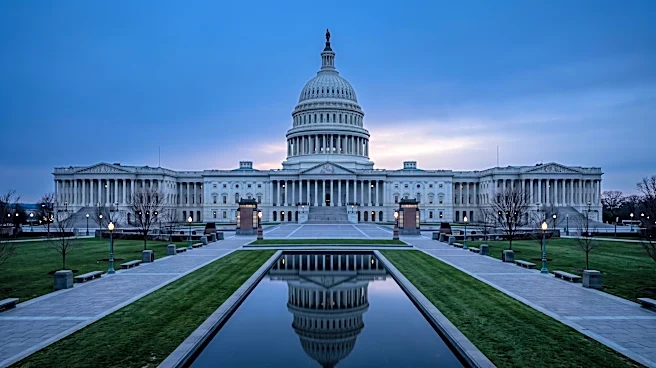
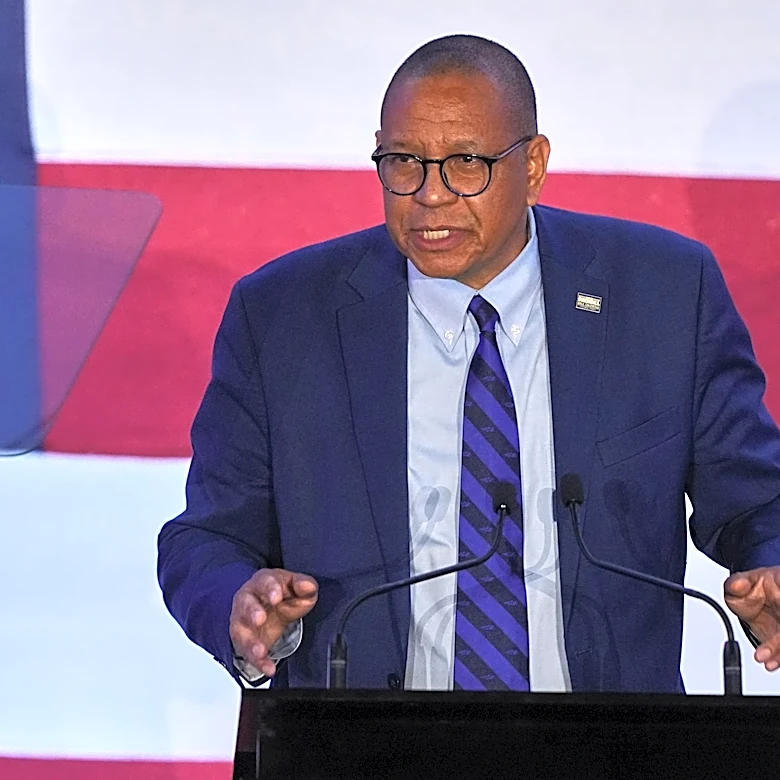
Congress is facing strong criticism for allegedly abdicating its constitutional duties, thereby jeopardizing the system of checks and balances in the U.S. government. Concerns raised at the League of Women Voters convention highlight instances where Congress has
failed to assert its authority, allowing the executive branch to overstep its bounds. Examples include the administration imposing tariffs without congressional approval, executive orders pausing or restricting federal funds despite Congress's power of the purse, and military conflicts initiated without congressional authorization. Additionally, Congress is criticized for not intervening in cases where individuals are deprived of due process, despite its duty to protect such rights.
Why It's Important?
The perceived abdication of congressional duties is critically important because it undermines the foundational principle of checks and balances, which is essential for preventing the concentration of power and protecting individual liberties in the U.S. When Congress fails to exercise its constitutional authority, it allows the executive branch to expand its power, potentially leading to an erosion of democratic norms and an increase in autocratic tendencies. This imbalance can have far-reaching consequences, affecting economic stability through unauthorized tariffs, impacting civil rights through unchecked detentions, and involving the nation in conflicts without proper legislative oversight. Ultimately, it weakens the democratic framework and the accountability of government to its citizens.
What's Next?
The call for Congress to 'do its job' implies a demand for greater legislative assertiveness in exercising its constitutional powers. This could manifest in increased oversight of executive actions, more rigorous enforcement of budgetary authority, and a stronger stance on issues like tariffs and military engagements. Voters are urged to hold their representatives accountable for upholding the system of checks and balances. This pressure from constituents and advocacy groups may lead to a renewed focus within Congress on its constitutional responsibilities, potentially resulting in legislative actions aimed at reasserting its authority and restoring the balance of power between the branches of government. The upcoming elections will likely serve as a crucial opportunity for voters to express their expectations regarding congressional performance.
Beyond the Headlines
The deeper implications of congressional inaction extend to the very health of American democracy. The erosion of checks and balances can lead to a decline in public trust in government and a sense that the legislative branch is no longer effectively representing the will of the people. This situation also raises questions about the role of voters as a 'fourth branch of government,' emphasizing their responsibility to actively engage and hold elected officials accountable. The long-term consequences could include a more centralized and less representative government, where executive power dominates. Reinvigorating congressional oversight and accountability is not just about procedural correctness but about safeguarding the democratic principles that underpin the U.S. political system and ensuring that all branches of government fulfill their intended roles.