

What's Happening?
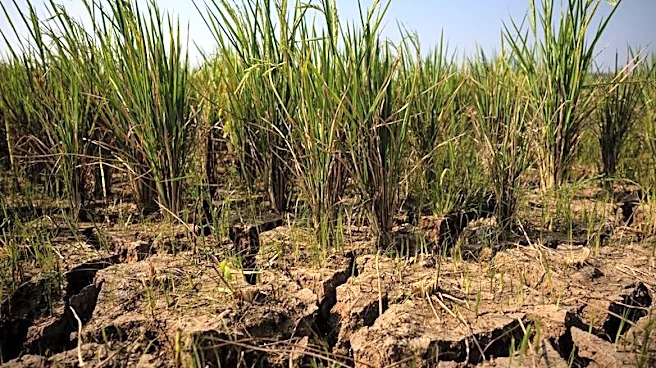
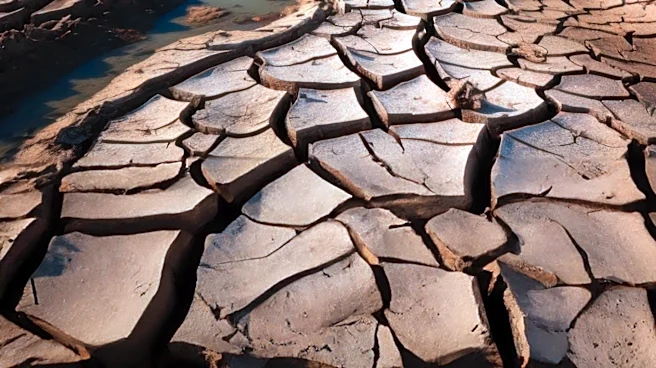
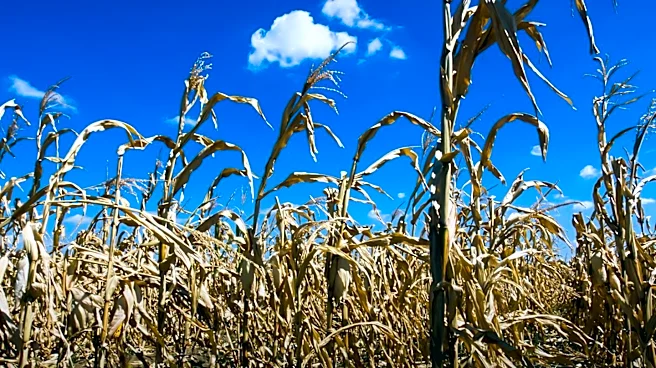
The strengthening El Niño phenomenon is projected to push an additional 49 million people into acute hunger by the end of 2027. The World Food Programme (WFP) and the Food and Agriculture Organization (FAO) have warned that the effects of El Niño, including
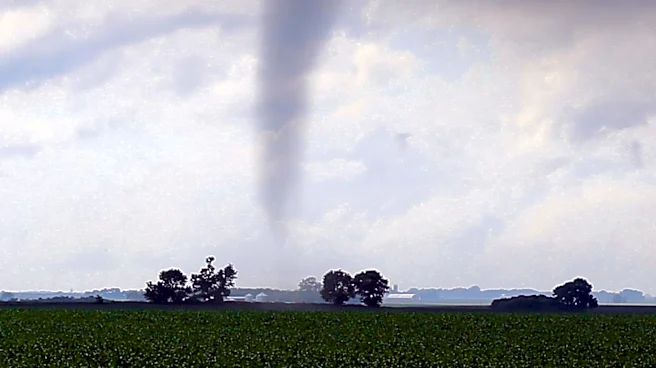
drought, flooding, and extreme temperatures, will significantly impact food security in regions such as Central America, southern Africa, and parts of Asia. The number of acutely food-insecure people is expected to rise by approximately 22%, from 225 million to 274 million. WFP is actively working with partners to implement prevention plans in over 50 countries to mitigate the impact.
Why It's Important?
El Niño's impact on global food security is profound, as it exacerbates existing vulnerabilities in regions already struggling with poverty, conflict, and climate extremes. The anticipated increase in acute hunger highlights the urgent need for international cooperation and investment in preventive measures. Early action is crucial, as every dollar invested in prevention can save up to seven dollars in future losses and response costs. The situation underscores the importance of building resilient food systems and enhancing the capacity of communities to withstand climate shocks.
What's Next?
WFP and FAO are appealing for increased support to help at-risk communities prepare for El Niño's impacts. This includes scaling up anticipatory action plans, such as disaster risk insurance and digital payments, to provide timely assistance. Governments and international organizations will need to prioritize investments in climate-resilient agriculture and infrastructure to reduce future humanitarian needs. The lessons learned from past El Niño events will be critical in shaping effective response strategies and ensuring that vulnerable populations receive the support they need.
Beyond the Headlines
The ethical implications of El Niño-induced hunger are significant, as they highlight disparities in global resource distribution and the responsibility of wealthier nations to support those most affected. The situation also raises questions about the adequacy of current international frameworks for addressing climate-related food insecurity. Long-term, the integration of climate change considerations into global food policy could lead to more sustainable and equitable food systems, capable of adapting to future challenges.