







What's Happening?
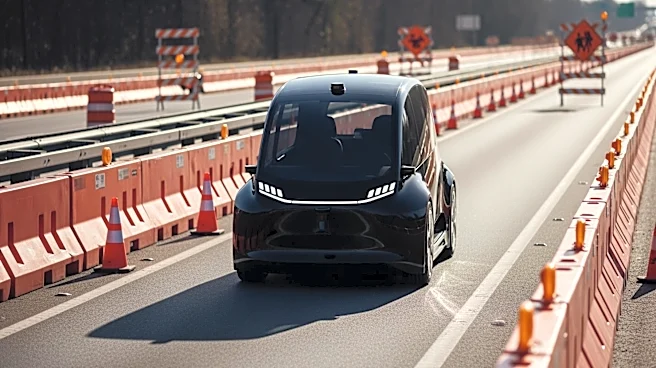
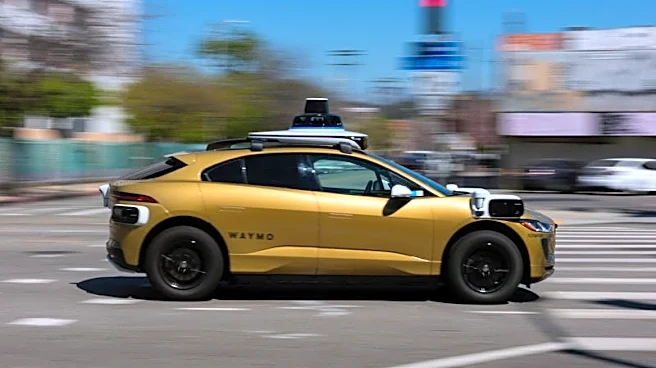
The UK is preparing to launch self-driving taxis and buses, with applications now open for operators to run these vehicles across the country. This initiative, announced on May 22, 2026, aims to introduce self-driving technology to British roads, potentially
creating thousands of jobs and contributing billions to the economy by 2035. The pilot scheme will allow companies like Wayve to offer autonomous vehicle services, enhancing travel options for older and disabled individuals. The government emphasizes safety, requiring rigorous approval checks and safety assessments to protect against cyber threats. The initiative is part of a broader effort to transform road transport, reduce human error in collisions, and support economic growth.
Why It's Important?
The introduction of self-driving vehicles in the UK represents a significant step towards modernizing transportation infrastructure and reducing reliance on human drivers. This development could lead to increased accessibility and independence for individuals with mobility challenges, while also driving economic growth through job creation and technological innovation. The pilot scheme's success could position the UK as a leader in autonomous vehicle technology, attracting investment and fostering a competitive edge in the global market. However, it also raises questions about regulatory frameworks, safety standards, and the potential impact on traditional driving jobs.
What's Next?
As the pilot scheme progresses, the UK government will work closely with safety and accessibility experts to develop regulations for self-driving vehicles. Local transport authorities will need to provide consent to ensure services align with local priorities. The government will gather real-world evidence from the pilot to inform future regulations and address any challenges that arise. Companies involved in the pilot, such as Wayve and Uber, will continue to collaborate with government agencies to ensure their operations meet safety and accessibility standards. The outcome of this initiative could influence similar efforts in other countries, including the U.S., as they explore the integration of autonomous vehicles into their transportation systems.