








What's Happening?
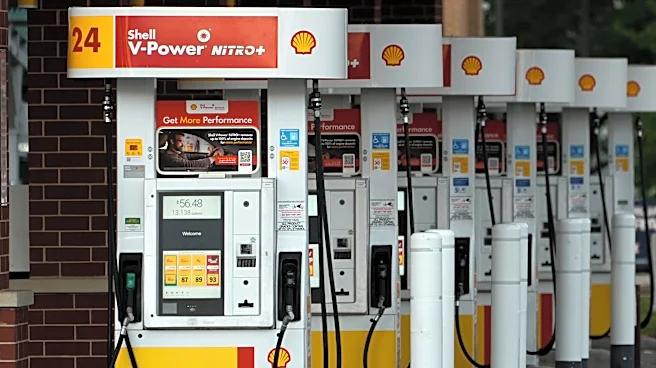
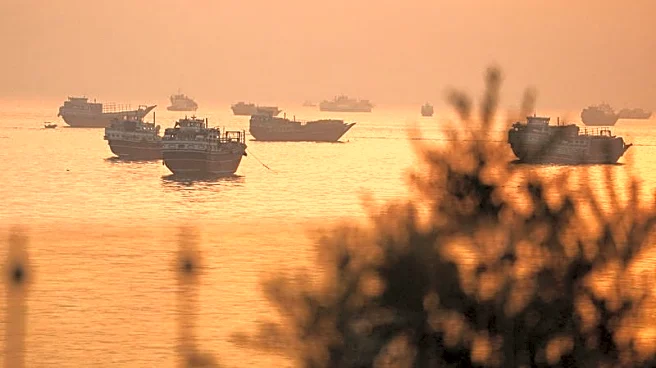
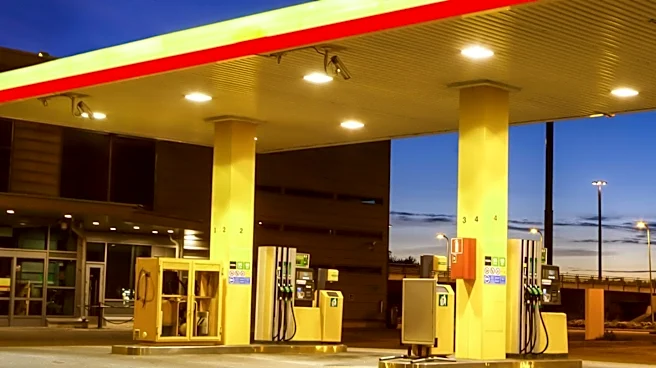
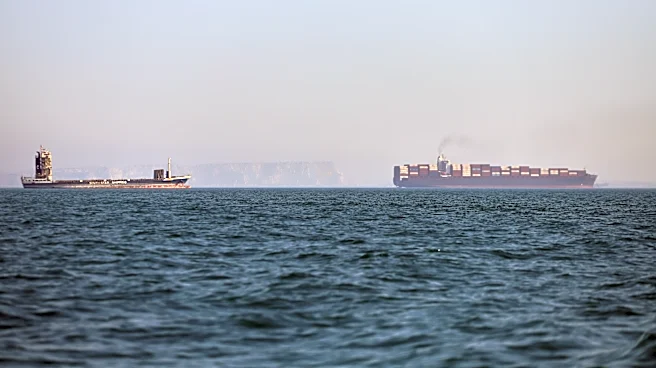
Gas prices across the United States have risen following President Trump's declaration that the Iran war ceasefire is over. This development has led to increased tensions in the Strait of Hormuz, a crucial passageway for global oil supply. The national
average for gas prices rose to $3.796 per gallon, up slightly from the previous day. The end of the ceasefire has raised concerns about potential further increases in gas prices, which had previously been declining. The situation has created political challenges for the Trump administration, which has focused on tackling inflation as a key policy goal.
Why It's Important?
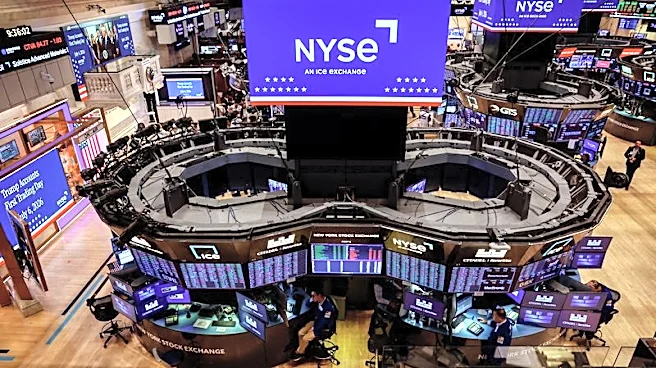
The rise in gas prices could have significant economic and political implications. Higher fuel costs increase the financial burden on American consumers, potentially reducing disposable income and affecting consumer spending. Politically, the situation poses a challenge for President Trump, as rising costs could lead to voter dissatisfaction, particularly with midterm elections approaching. The administration's handling of the situation may influence public opinion and electoral outcomes, especially if economic conditions worsen.
What's Next?
The ongoing tensions in the Strait of Hormuz and the potential for further disruptions in oil supply could lead to continued volatility in gas prices. Analysts suggest that prices may rise further if the situation escalates. The Trump administration may need to explore diplomatic or economic measures to stabilize the situation and mitigate the impact on the U.S. economy. Additionally, political leaders and stakeholders will likely focus on strategies to address voter concerns related to economic conditions and fuel costs.
Beyond the Headlines
The geopolitical dynamics of the Strait of Hormuz highlight the interconnectedness of global energy markets and the potential for regional conflicts to impact domestic economies. The situation underscores the importance of energy independence and diversification of energy sources to reduce vulnerability to international disruptions. Long-term strategies may involve increased investment in alternative energy and infrastructure to enhance energy security.