







What's Happening?
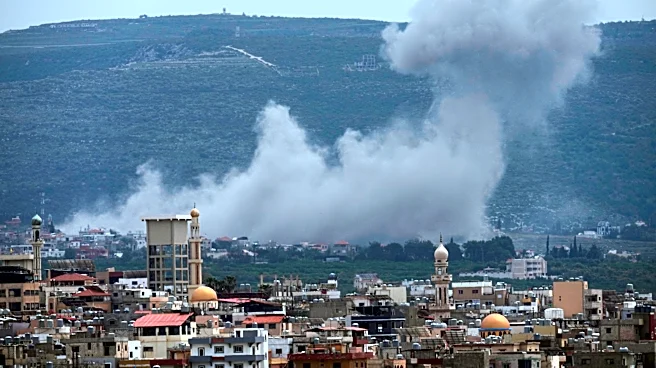
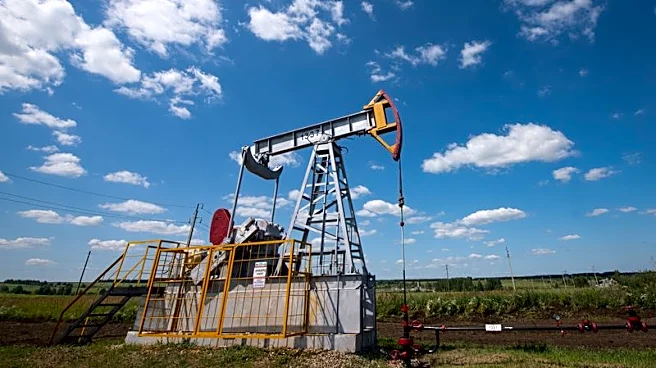
Oil prices have fallen as prospects for talks between the U.S. and Iran to end the ongoing conflict and revive oil supply have emerged. A 10-day ceasefire between Lebanon and Israel has taken effect, and President Trump has indicated that the U.S. and Iran may
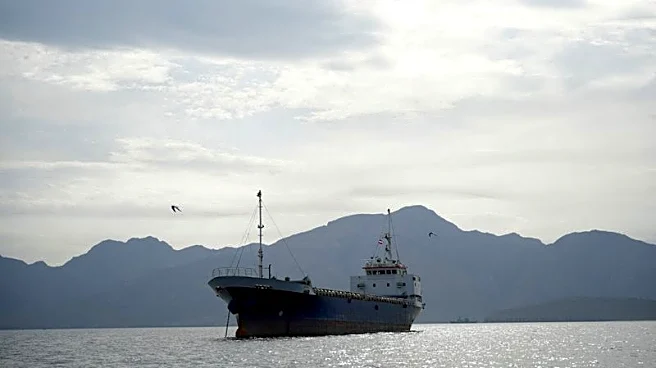
meet for discussions over the weekend. The conflict has led to the closure of the Strait of Hormuz, disrupting roughly one-fifth of the world's oil supply. The potential for a diplomatic resolution has led to a decrease in oil prices, with Brent crude futures and U.S. West Texas Intermediate crude futures both experiencing declines.
Why It's Important?
The potential resolution of the conflict between the U.S. and Iran could have significant implications for global oil markets and geopolitical stability. The reopening of the Strait of Hormuz would restore a critical supply route for oil, potentially stabilizing prices and alleviating supply concerns. This development could also reduce tensions in the Middle East, contributing to regional stability and improving diplomatic relations. The situation highlights the interconnectedness of geopolitical events and global energy markets, with potential impacts on economies and industries worldwide.
What's Next?
Further negotiations between the U.S. and Iran are expected, with the possibility of reaching a temporary agreement to prevent a return to conflict. The outcome of these talks could influence oil prices and market dynamics in the coming weeks. Stakeholders, including governments and energy companies, will be closely monitoring the situation to assess potential impacts on supply chains and investment strategies. The resolution of the conflict could also lead to shifts in energy policy and international relations, as countries seek to secure stable and reliable energy sources.