






What's Happening?
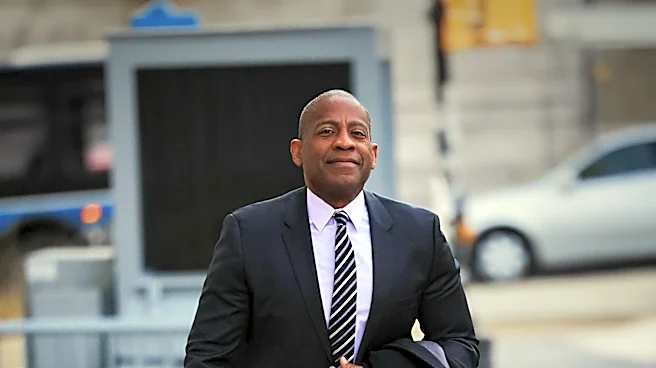
Former Riverdale Mayor Lawrence Jackson was sentenced to six months in prison for perjury and obstruction of justice. The charges stem from his lies during a 2021 civil deposition, where he concealed financial ties to James Bracken, a landfill owner doing
business with the village. U.S. District Judge Robert Gettleman delivered the sentence, emphasizing the seriousness of a public official lying under oath, despite acknowledging Jackson's otherwise exemplary life. Jackson was convicted by a jury in November, which led to his resignation as mayor and forfeiture of his public pension. The indictment originated from a civil lawsuit brought by Tri-State Disposal, a waste company that alleged Jackson favored Bracken-owned Riverdale Materials. Prosecutors argued that Jackson lied about his involvement in hiring Flood Brothers, a company introduced to him by Bracken, and about the operations of Centennial Holdings, a trucking business he co-owned with his wife, which Bracken largely managed. Bracken, whose companies donated over $30,000 to Jackson's campaign, has not been charged with wrongdoing.
Why It's Important?
This sentencing underscores the critical importance of honesty and integrity in public office, particularly when officials are under oath. The case sends a clear message that lying in legal proceedings, even in civil depositions, carries significant consequences for elected officials. For the U.S. political landscape, such convictions erode public trust in local governance and highlight the persistent issue of corruption and undue influence in municipal affairs. The financial ties between Mayor Jackson and businessman James Bracken, including campaign donations and alleged business management, raise concerns about potential conflicts of interest and the transparency of dealings between public officials and private entities. The ongoing financial struggles and history of corruption in Riverdale, as noted by the Chicago Tribune, further illustrate how such misconduct can perpetuate instability and hinder effective governance, ultimately impacting the quality of life and services for residents. This case serves as a reminder of the legal and ethical obligations of those in public service.
What's Next?
Following the sentencing, former Mayor Lawrence Jackson will begin his six-month prison term. This outcome may prompt further scrutiny into the operations of Riverdale village and its past dealings with contractors, particularly those connected to James Bracken. While Bracken has not been charged, the details revealed during Jackson's trial could lead to continued investigations by federal authorities into his business practices and any potential influence on other public officials. The village of Riverdale, which has a history of financial woes and corruption allegations, will likely continue its efforts to rebuild public trust and stabilize its governance. This case could also serve as a precedent for other public officials, reinforcing the severe repercussions of perjury and obstruction of justice. Additionally, there might be renewed calls for stricter ethics regulations and greater transparency in campaign finance and public contracting at the local government level to prevent similar situations in the future.
Beyond the Headlines
The conviction and sentencing of former Riverdale Mayor Lawrence Jackson illuminate a deeper systemic issue within local governance: the subtle yet pervasive nature of influence peddling and the erosion of ethical boundaries. While Jackson was not convicted of bribery, his lies about his relationship with James Bracken highlight how financial ties, even if not explicitly illegal, can create an environment ripe for conflicts of interest and a lack of transparency. The fact that Bracken managed Jackson's trucking business and contributed significantly to his campaign, without being charged himself, points to the complexities of proving quid pro quo corruption. This case underscores the challenge of distinguishing between legitimate business relationships and undue influence, particularly in small, cash-strapped municipalities like Riverdale. It also raises questions about the effectiveness of existing oversight mechanisms and the need for more robust ethical frameworks to safeguard against the appearance, if not the reality, of impropriety in public service. The long-term impact could be a renewed focus on campaign finance reform and stricter disclosure requirements for public officials' financial interests.