


What's Happening?
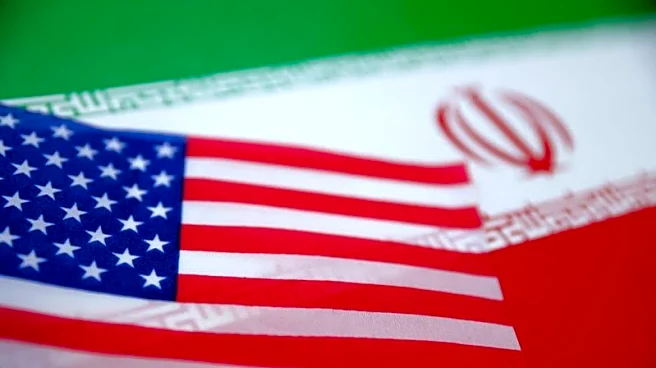
Officials from the United States and Iran are meeting in Geneva to discuss Iran's nuclear program. This meeting is seen as a critical opportunity to prevent potential conflict, following President Trump's claims in his State of the Union address that
Iran is developing missiles capable of reaching the U.S. The military presence in the Middle East is at its highest since the 2003 Iraq invasion. Iranian Foreign Minister Abbas Araghchi has indicated a willingness to reach an agreement on the nuclear issue, though he insists that ballistic missiles are not negotiable. The talks are occurring amidst heightened regional tensions, with several Middle Eastern countries advising their citizens to leave due to the risk of conflict escalation.
Why It's Important?
The outcome of these talks could significantly impact regional stability and U.S. foreign policy. A failure to reach an agreement may lead to increased military tensions and potential conflict, affecting global oil markets and international relations. The U.S. military buildup signals the seriousness of the situation, and any escalation could have widespread implications for global security. The talks also reflect ongoing challenges in U.S.-Iran relations, with potential consequences for diplomatic efforts and alliances in the Middle East.
What's Next?
If the talks do not yield progress, there may be further military and diplomatic maneuvers by both the U.S. and Iran. The international community will likely continue to monitor the situation closely, with potential for further negotiations or sanctions. The U.S. may also seek to strengthen alliances with other countries in the region to counterbalance Iran's influence. The outcome of these talks could shape future U.S. policy and strategy in the Middle East.