







What's Happening?
A proposed data center project in Nottingham, New Hampshire, has been withdrawn by the developer, Thomas Moulton, following significant local opposition. The project, which was to be developed by Nottingham Business Park LLC, faced backlash from residents
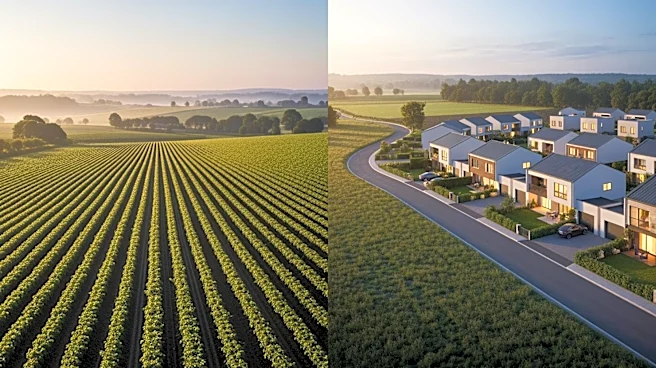
concerned about environmental impacts, noise, and the potential transformation of their rural town. A Change.org petition against the project garnered over 25,000 signatures, reflecting widespread community resistance. Residents feared that the development would alter Nottingham's character, known for its natural landscapes rather than industrial infrastructure. The withdrawal occurred just hours before a scheduled public meeting, which had to be moved to a larger venue due to the expected turnout. Moulton cited misconceptions and misinformation as factors in the decision to withdraw, emphasizing the need for further research to determine the project's suitability for the site.
Why It's Important?
The withdrawal of the data center proposal highlights the growing tension between technological infrastructure development and community preservation in rural areas. As demand for data centers increases, driven by the needs of AI and cloud computing, small towns like Nottingham are becoming battlegrounds for debates over environmental sustainability and local autonomy. The resistance in Nottingham is part of a broader national trend where communities are pushing back against projects that could strain local resources, such as water and electricity, and disrupt the rural landscape. This case underscores the importance of balancing technological advancement with environmental and community considerations, as well as the need for transparent communication between developers and local residents.
What's Next?
Following the withdrawal, the developer plans to conduct additional research to address the concerns raised by the community. This may involve reassessing the environmental impact and exploring alternative solutions that align with local interests. The situation in Nottingham could set a precedent for how similar projects are approached in other rural areas, potentially leading to stricter regulations and more rigorous environmental scrutiny. Local officials and residents will likely continue to engage in discussions about the future of development in their community, aiming to protect their environment while considering economic opportunities.