




What's Happening?
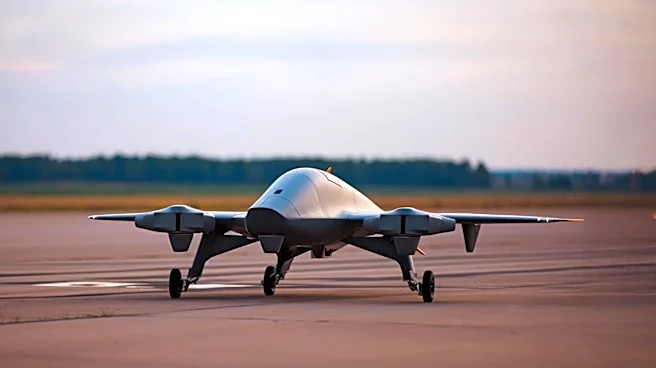
In a significant military development, the Malian armed forces, with support from the Russian Africa Corps, have employed 'Shahed-136' suicide drones, also known as 'Geran-2,' for long-range strikes against armed groups in northern Mali. This marks the first
recorded use of such drones in the region, with at least two attacks documented in July 2026. The drones, capable of flying up to 2,000 kilometers and carrying substantial warheads, were used in operations targeting areas near Kidal and the Algerian border. The deployment of these drones provides Mali with enhanced capabilities to conduct strategic military operations.
Why It's Important?
The introduction of advanced drone technology in Mali represents a shift in the military capabilities of local forces, potentially altering the balance of power in ongoing conflicts. This development could lead to increased military engagements and a shift in regional security dynamics. The use of drones, supported by Russian technology and expertise, highlights the growing influence of Russia in African military affairs. This could have broader implications for international relations and security policies, as other nations may respond to counterbalance this influence.
What's Next?
The use of drones in Mali is likely to prompt reactions from regional and international stakeholders. Neighboring countries and international organizations may seek to address the implications of increased military capabilities in the region. There could be calls for diplomatic interventions or peacekeeping efforts to prevent further escalation. The deployment of drones may also lead to an arms race, with other countries seeking similar technologies to enhance their military capabilities.
Beyond the Headlines
The ethical and legal implications of using drones in military operations are significant. The potential for civilian casualties and the impact on local communities raise questions about the rules of engagement and accountability. The reliance on foreign military support and technology could affect Mali's sovereignty and long-term stability. The cultural and historical context of foreign intervention in Africa adds complexity to the situation, as nations navigate post-colonial relationships and strive for autonomy.