






What's Happening?
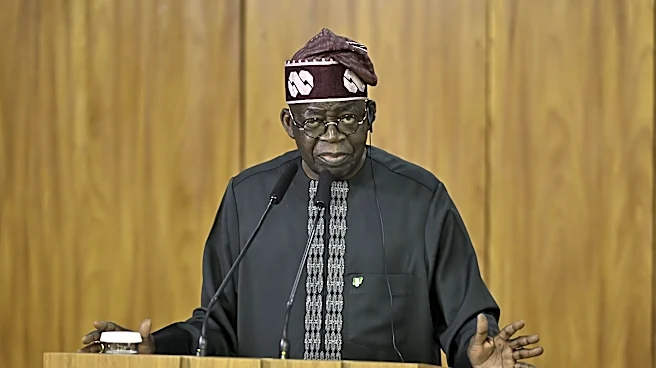
Since May 2023, President Bola Ahmed Tinubu's administration in Nigeria has undertaken significant economic reforms, including the removal of petrol subsidies and adjustments to foreign exchange arrangements. These reforms, while initially imposing costs
on households and businesses, have led to a substantial increase in the financial capacity of state governments. According to the Federal Government's 2026 reform scorecard, the number of states unable to pay salaries has dropped from 27 in 2023 to zero in 2026. This improved fiscal space has enabled states to invest more in infrastructure, strengthen public institutions, and stimulate economic activity. The Federal Government has also provided substantial funding, disbursing approximately ₦2.45 trillion to states and the Federal Capital Territory between March 2024 and August 2025 for infrastructure and security interventions. Key projects include road rehabilitation, airport development, and the establishment of industrial parks, aimed at opening up communities, attracting industries, and creating jobs. Additionally, the Nigerian Education Loan Fund (NELFUND) has disbursed about ₦206.29 billion to over 1.16 million students across 270 institutions by March 2026, providing interest-free loans for institutional fees and upkeep.
Why It's Important?
These reforms are crucial for Nigeria's long-term economic stability and development. The increased fiscal resources at the state level allow for critical investments in infrastructure, which is essential for reducing the cost of doing business, connecting markets, attracting investment, and creating employment. The ability of states to meet salary obligations and fund development projects signifies a stronger, more resilient public sector. The NELFUND initiative is a significant investment in human capital, expanding access to tertiary education and reducing financial burdens on students and parents. This is vital for a country aiming to industrialize and compete globally, as it fosters a more educated and skilled workforce. The success of these reforms in translating increased revenues into productive investments will determine Nigeria's trajectory towards sustainable economic growth and improved living conditions for its citizens. The focus on infrastructure and education aims to build an economy capable of generating wealth beyond government allocations, fostering self-sufficiency and reducing dependence on volatile oil revenues.
What's Next?
The immediate challenge for Nigeria is to ensure the responsible deployment of these increased fiscal resources. States must convert these revenues into productive investments while simultaneously strengthening their internally generated revenue. Continued collaboration between the Federal Government and state governments will be essential to align national development goals with state-level priorities and to create conditions conducive for private-sector participation. The sustainability of these reforms will depend on effective governance, transparency, and consistent implementation. The administration will need to demonstrate that increased government revenue translates into tangible improvements in daily life, such as better roads, improved public services, more jobs, and affordable food. The 2027 general election will serve as a critical assessment point for the Tinubu administration's record, where Nigerian voters will evaluate the impact of these reforms on their lives and the alternatives offered by competing political parties.
Beyond the Headlines
The long-term implications of these reforms extend to fundamentally reshaping Nigeria's economic structure and governance. By empowering states financially, the reforms could foster a more decentralized and responsive governance system, where local needs are better addressed. The emphasis on infrastructure development could lead to a more integrated national economy, reducing regional disparities and enhancing overall productivity. The investment in education through NELFUND has the potential to create a more equitable society by broadening access to higher education, which can break cycles of poverty and foster innovation. However, the success of these initiatives also hinges on overcoming systemic challenges such as corruption and ensuring that the benefits trickle down to the grassroots level. The reforms represent a strategic shift towards building a diversified, resilient economy less reliant on oil, aiming for industrialization and shared prosperity, which could serve as a model for other developing nations.