





What's Happening?
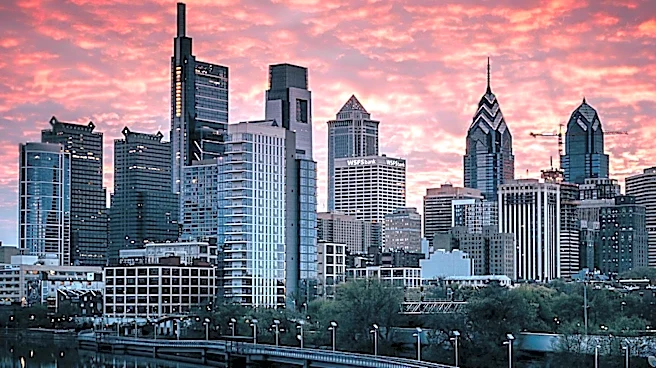
As temperatures in Philadelphia soar, officials are closely monitoring the electrical grid, which is reportedly under extreme stress. The increased demand for electricity, primarily due to the widespread use of air conditioning units, is putting a significant
strain on the grid. PECO, the local energy provider, is actively managing the situation to ensure continued service. The company is also offering tips to residents on how to maintain electrical efficiency and keep air conditioning units running effectively. These measures are crucial as the city experiences a heatwave, which is expected to persist, further challenging the grid's capacity.
Why It's Important?
The situation in Philadelphia highlights the broader challenges faced by urban areas during extreme weather conditions. The strain on the electrical grid not only risks power outages but also underscores the need for infrastructure improvements and energy efficiency measures. As cities across the U.S. experience similar heatwaves, the demand for electricity is likely to increase, potentially leading to higher energy costs for consumers. This scenario emphasizes the importance of investing in resilient energy systems and promoting conservation efforts to mitigate the impact of climate change on urban infrastructure.
What's Next?
PECO and other energy providers may need to implement emergency measures to manage the grid's load effectively. This could include rolling blackouts or requests for voluntary energy conservation from residents. In the long term, there may be increased pressure on policymakers to invest in renewable energy sources and upgrade existing infrastructure to handle extreme weather events more efficiently. Public awareness campaigns on energy conservation and efficiency could also become more prevalent as part of efforts to reduce demand during peak periods.