





What's Happening?
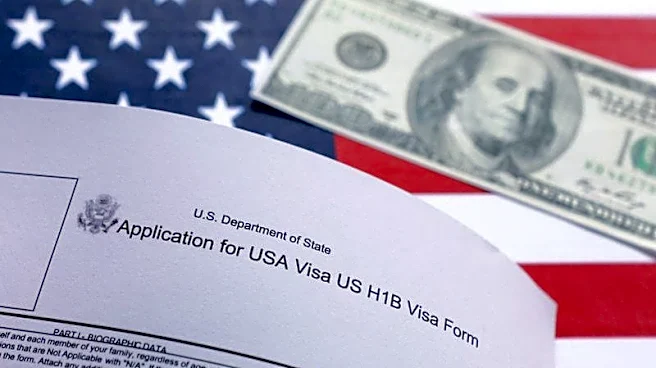
The Trump administration is reportedly preparing to cancel as many as 200,000 immigration visas across the United States. This move, if implemented, would represent the largest revocation effort in U.S. history, according to a source familiar with the proposal.
The details surrounding the specific categories of visas targeted for revocation or the exact timeline for this action have not been fully disclosed. This development signals a significant escalation in the administration's efforts to tighten immigration policies and reduce the number of individuals legally residing in the country. The potential revocation of such a large number of visas could impact a wide range of individuals, including those awaiting family reunification, employment-based visas, or diversity visas, and would likely lead to widespread legal challenges and humanitarian concerns.
Why It's Important?
This potential revocation of up to 200,000 immigration visas carries substantial implications for U.S. immigration policy, the economy, and social structures. Such a large-scale cancellation would drastically alter the lives of tens of thousands of individuals and families who have been granted visas and are either preparing to enter the U.S. or are already in the process. Economically, it could impact sectors reliant on immigrant labor, potentially leading to labor shortages in certain industries and affecting economic growth. Socially, it would likely increase uncertainty and fear within immigrant communities and could strain international relations. The move also underscores the Trump administration's consistent focus on reducing legal immigration, reflecting a broader policy shift that prioritizes stricter border control and reduced entry for non-citizens. This action could set a precedent for future administrations regarding the executive branch's power to revoke previously issued visas on a mass scale.
What's Next?
Following the reported preparations, the next steps would likely involve official announcements from the Trump administration detailing the scope and implementation of the visa revocations. This would almost certainly trigger immediate legal challenges from immigration advocacy groups, civil rights organizations, and potentially affected individuals. Courts would then be tasked with determining the legality and constitutionality of such a broad revocation effort. Internationally, countries whose citizens are affected may issue diplomatic protests or reconsider their own immigration policies towards U.S. citizens. Domestically, the issue will undoubtedly become a central point of debate in political discourse, particularly in the lead-up to any upcoming elections, with strong reactions expected from both proponents and opponents of stricter immigration measures. The ultimate outcome will depend on legal rulings and political will.
Beyond the Headlines
Beyond the immediate legal and political ramifications, the potential mass revocation of visas raises profound ethical and humanitarian questions about the U.S.'s role as a nation of immigrants and its commitment to those who have followed legal pathways to residency. It could foster a climate of distrust and instability for individuals seeking to immigrate to the U.S., regardless of their legal status. The long-term societal impact could include a chilling effect on future immigration, potentially deterring skilled workers and professionals from choosing the U.S. as a destination. Furthermore, it could exacerbate existing social divisions and fuel anti-immigrant sentiment, challenging the nation's foundational values of opportunity and inclusion. The precedent set by such an action could redefine the parameters of legal immigration and the rights of visa holders in the U.S. for decades to come.