







What's Happening?
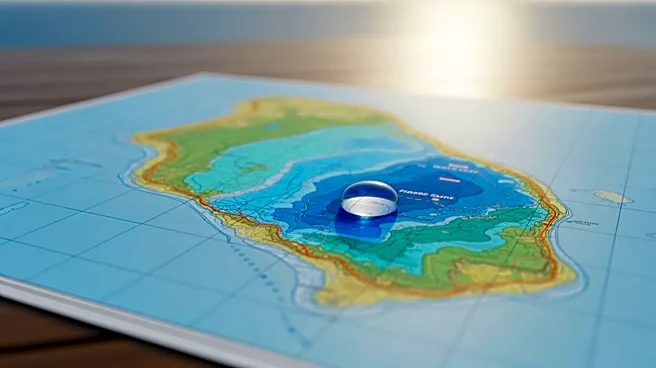
Oʻahu, Hawaii, is set to implement new flood maps on June 10, which will significantly affect homeowners in the region. According to State Insurance Commissioner Scott Saiki, the revised maps will increase the number of parcels classified as high-risk
flood zones by nearly 4,000, adding to the existing 15,000 parcels. Homeowners with federally backed mortgages in these zones will be required to obtain flood insurance. The National Flood Insurance Program (NFIP), which is the largest flood insurer in Hawaii, provides coverage up to $250,000. However, the program's limitations mean that homeowners may need to seek additional insurance options. The changes come in the wake of recent natural disasters, including the 2023 Maui wildfires and Kona low storms, which have strained Hawaii's insurance industry.
Why It's Important?
The introduction of new flood maps in Oʻahu highlights the growing challenges of managing flood risks in the face of climate change and rising sea levels. The requirement for additional flood insurance could lead to increased financial burdens for homeowners, particularly those with federally backed mortgages. This development underscores the critical role of the NFIP in providing essential coverage, yet also points to the need for alternative insurance solutions due to its coverage limits. The changes may prompt a reevaluation of property values and insurance costs, affecting the real estate market and economic stability in the region. As natural disasters become more frequent, the importance of comprehensive flood management and insurance becomes increasingly evident.
What's Next?
Homeowners in Oʻahu are advised to review the new flood maps available on the city's website, resilientoahu.org, to determine if their properties are affected. Those in high-risk zones should prepare for potential notifications from lenders regarding mandatory flood insurance. The state may see increased demand for insurance consultations and alternative coverage options as residents seek to comply with new requirements. Additionally, the implementation of these maps could lead to policy discussions on improving flood management strategies and insurance frameworks to better protect residents against future natural disasters.