






What's Happening?
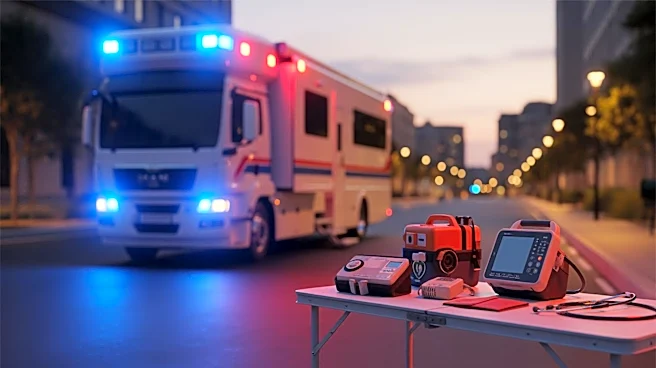
The Omaha Fire Department, in collaboration with Creighton University, has introduced a mobile simulation lab to train firefighters as paramedics. This initiative aims to elevate the level of first-response medical care beyond the current EMT certification
held by all Omaha firefighters. The mobile lab, donated by the University of Nebraska Medical Center, allows for flexible and efficient training sessions, reducing the need for lengthy classroom instruction. The lab features high-fidelity simulators that mimic real-life medical emergencies, providing hands-on experience in treating conditions such as cardiac arrest and trauma injuries. Since its inception, approximately 670 firefighters have undergone training in this mobile facility.
Why It's Important?
This development is significant as it enhances the emergency response capabilities of Omaha's firefighters, potentially improving outcomes in medical emergencies. By training more firefighters as paramedics, the city can ensure a higher standard of care during critical incidents, which could save lives. The mobile nature of the lab allows for more accessible and frequent training sessions, ensuring that firefighters can maintain and update their skills without the logistical challenges of traveling to a fixed location. This initiative reflects a broader trend in emergency services to integrate advanced medical training into their operations, which could serve as a model for other cities.
What's Next?
The ongoing use of the mobile simulation lab is expected to continue, with plans to expand the program to include more firefighters. As the program grows, it may attract interest from other fire departments looking to enhance their paramedic training. The success of this initiative could lead to further collaborations between fire departments and educational institutions, fostering innovation in emergency response training. Additionally, the program's outcomes may be evaluated to assess its impact on emergency response times and patient outcomes, potentially influencing future public safety policies.