





What's Happening?
The World Food Programme (WFP), in collaboration with the Food and Agriculture Organization (FAO) and the International Fund for Agricultural Development (IFAD), is supporting initiatives in Bangladesh to foster a more resilient food future through innovation.
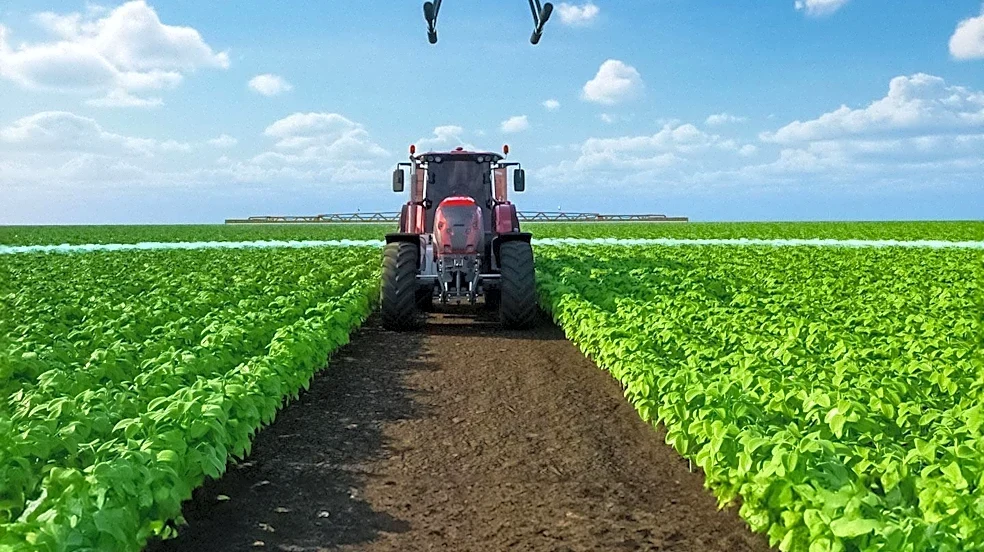
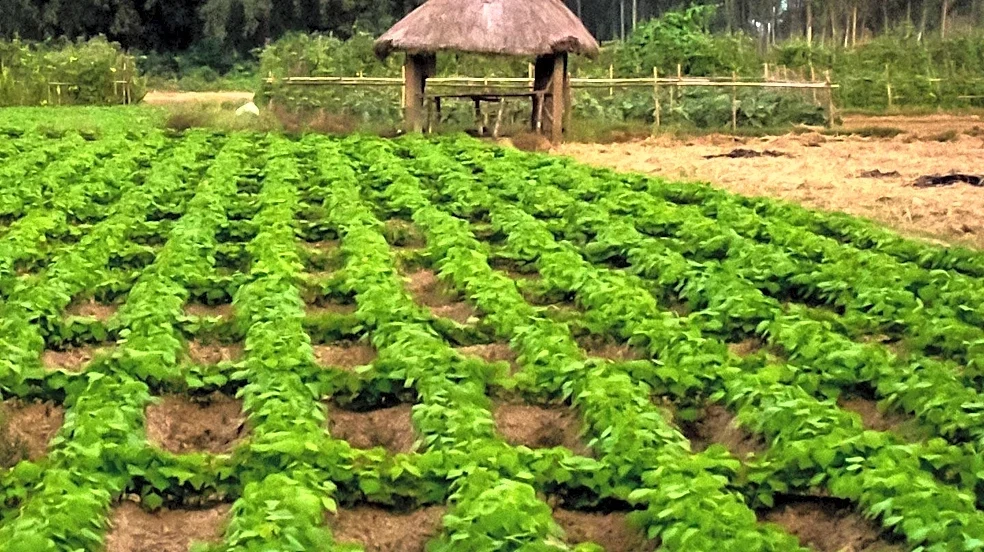
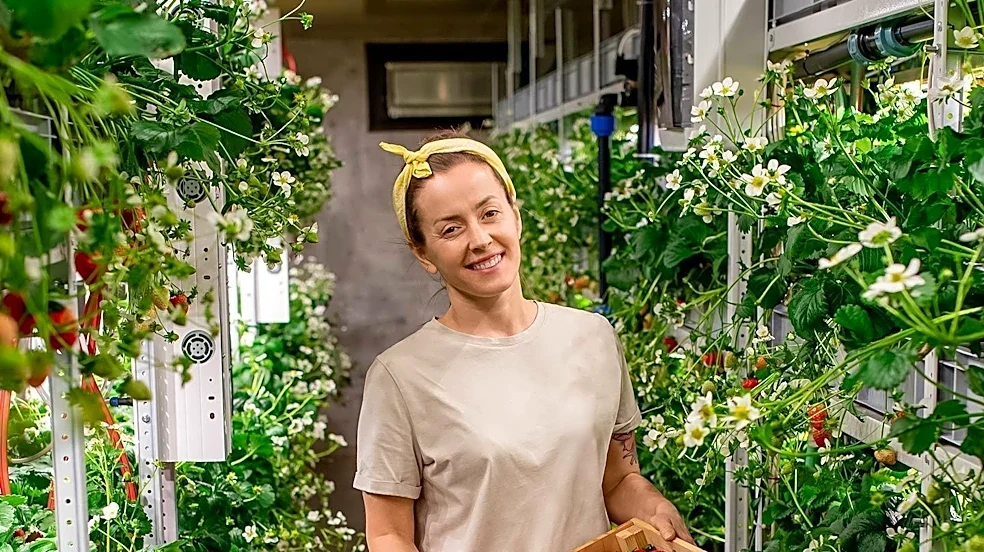
This effort, highlighted on World Food Day, focuses on connecting science, technology, and traditional knowledge to enhance food security and nutrition. Farmers in coastal, drought-prone, and char areas are adopting climate-resilient technologies, such as solar-powered irrigation and improved seedling production, to grow nutritious vegetables year-round. The adoption rate of these technologies among participating farmers has reached 86%, significantly exceeding that of comparable farmers outside these initiatives. The broader goal is to link agricultural productivity with nutrition, livelihoods, and environmental sustainability, ensuring that families can afford diverse and safe diets, producers earn decent incomes, and food systems can withstand shocks. Despite progress in paddy production, only 39% of women meet minimum dietary diversity, indicating a continued need for varied diets.
Why It's Important?
This focus on innovation is crucial for Bangladesh, a nation highly vulnerable to climate change impacts like floods, cyclones, and droughts, which can quickly undermine years of agricultural progress. By integrating climate-resilient technologies and practices, the country aims to safeguard its food supply and the livelihoods of millions of farmers, fishers, and livestock keepers. The initiative's success in increasing technology adoption among farmers demonstrates a viable pathway to building stronger, more adaptable agricultural systems. Furthermore, connecting productivity with nutrition is vital for public health, especially for vulnerable populations, including women and children, who often suffer from dietary deficiencies. The emphasis on market access, finance, and essential services for farmers helps to create sustainable economic opportunities, reducing poverty and enhancing overall community resilience against environmental and economic shocks. This model could serve as a blueprint for other developing nations facing similar challenges.
What's Next?
The next phase of this initiative will prioritize three key areas. First, there will be an effort to connect weather alerts, agricultural advice, market information, and input support through accessible digital services, potentially linked to the government's Farmer Card platform. Second, scaling innovations with proven results will involve combining public, private, and development finance, recognizing that private sector engagement significantly boosts income gains. Third, nutrition will be made an explicit investment objective, supporting production that both nourishes families and generates reliable income. Success will depend on ensuring these opportunities reach small producers, including women, young people, and those in remote or climate-vulnerable communities. The goal is to make healthy diets more affordable and to continue fostering collaboration among the government, financial institutions, researchers, businesses, and development partners to bring proven solutions within reach of every small producer.
Beyond the Headlines
Beyond the immediate benefits of increased food security and improved livelihoods, this initiative highlights a deeper shift towards integrating scientific and technological advancements with traditional knowledge to address complex global challenges. It underscores the ethical imperative of ensuring equitable access to resources and information for marginalized communities, particularly women farmers, who play a critical role in food systems but often face systemic barriers. The focus on digital services and financial inclusion reflects a broader trend towards leveraging technology to empower individuals and build more transparent and efficient support systems. This approach also emphasizes the long-term sustainability of agricultural practices, promoting biodiversity and responsible resource management in the face of climate change. The collaboration between international organizations and the Bangladeshi government exemplifies a model of global partnership essential for achieving sustainable development goals and fostering resilience in vulnerable regions.