








What's Happening?
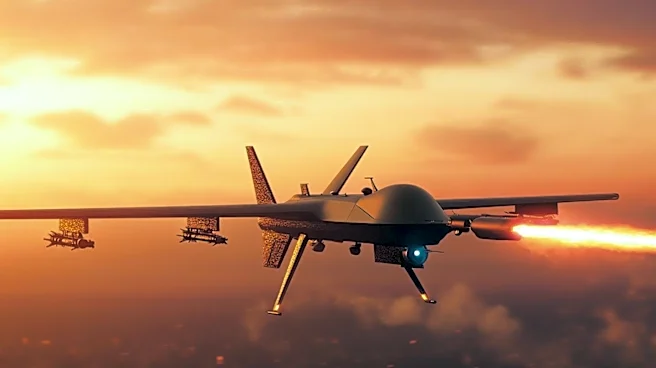
President Trump signed two proclamations on Thursday, enacting significant changes related to drone imports and naval shipbuilding. One proclamation imposes "ad valorem" tariffs on drones and drone parts, citing national security concerns. These tariffs will
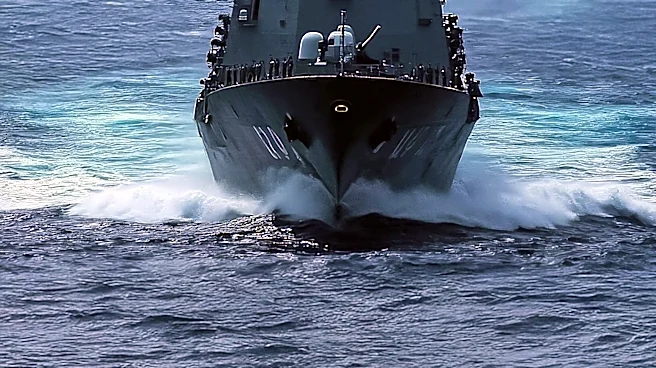
take effect in 21 days, with a 100% tariff on "particularly sensitive" drones and a 25% tariff on smaller drones with fewer security concerns. Additionally, a 15% tariff will be applied to drones and components from the European Union, Japan, Liechtenstein, the Republic of Korea, Switzerland, and Taiwan, and a 10% tariff on some drones from the United Kingdom. The second proclamation directs Defense Secretary Pete Hegseth to replace the Advanced Electromagnetic Aircraft Launch Systems (EMALS) and Advanced Weapons Elevators on aircraft carriers with traditional steam and hydraulic systems. This directive aligns with President Trump's previous criticisms of the newer technologies. Furthermore, this proclamation orders the establishment of a fifth Naval shipyard and permits foreign shipbuilders, under specific conditions, to construct up to two American warships in their parent shipyards to address delivery gaps, provided they invest in and train an American workforce.
Why It's Important?
President Trump's proclamations carry substantial implications for both national security and economic policy. The drone tariffs are intended to mitigate perceived national security threats by reducing reliance on foreign-made drones, particularly from certain countries, and to bolster domestic drone manufacturing. This protectionist measure could lead to higher costs for consumers and businesses relying on drones, while potentially stimulating the US drone industry. The directive to revert to older steam and hydraulic systems on aircraft carriers represents a significant shift in naval procurement strategy, potentially impacting technological advancement and defense spending. While proponents might argue for proven reliability and cost savings, critics could point to a step backward in military innovation. Allowing foreign shipbuilders to construct US warships, even on a limited basis, marks a departure from traditional policy, aiming to address shipbuilding capacity gaps and potentially foster foreign investment in American shipyards, but also raising questions about national security and domestic industrial base protection.
What's Next?
The drone tariffs are set to take effect in 21 days for sensitive drones and 180 days for less sensitive components, which will prompt immediate adjustments in supply chains and pricing for drone manufacturers and consumers. The Department of Defense, under Secretary Hegseth, will be tasked with implementing the directive to revert to steam and hydraulic systems on aircraft carriers, which will involve significant planning, potential redesigns, and budgetary reallocations for future naval vessels. The establishment of a fifth Naval shipyard and the framework for foreign shipbuilders to construct US warships will require detailed policy development and negotiations. This could lead to new partnerships with international shipbuilders and investments in US infrastructure, but also potential pushback from domestic shipbuilding lobbies and labor unions concerned about job security and national industrial capacity. These policies will likely be subject to ongoing debate and potential challenges from various stakeholders.
Beyond the Headlines
These proclamations reflect a broader "America First" approach to defense and industrial policy, prioritizing perceived national security and domestic economic interests. The drone tariffs highlight the growing concern over technological dependencies and the dual-use nature of commercial technologies for military or intelligence purposes. The naval shipbuilding directives underscore a tension between technological innovation and traditional, proven methods, as well as the challenges of maintaining a robust defense industrial base. Allowing foreign shipbuilding, even with conditions, could be seen as a pragmatic solution to immediate capacity issues but also signals a potential long-term shift in how the US approaches its defense manufacturing. This could lead to a more integrated global defense supply chain, but also raises questions about intellectual property, technology transfer, and the resilience of the domestic industrial base in times of crisis.