





What's Happening?
The San Jose City Council has unanimously approved a local emergency declaration in anticipation of potential winter flooding exacerbated by a powerful El Niño system. This declaration grants city officials increased flexibility in responding to flood risks,
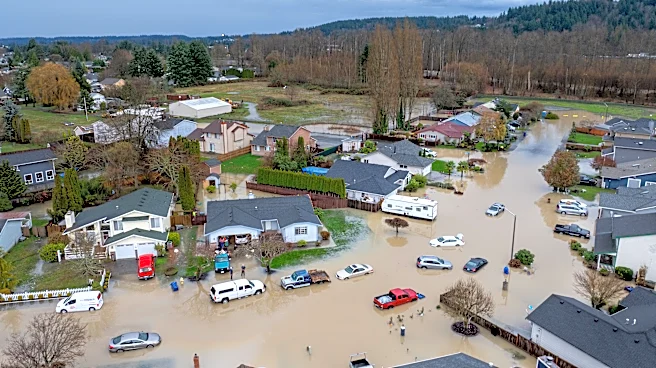
including the ability to acquire emergency supplies more rapidly, coordinate with state and federal agencies, and access $5.5 million from the city’s emergency reserves specifically allocated for flood response. The move comes as a recent report from UC Davis’ Road Ecology Center identified low-lying communities along San Jose’s northern shoreline, such as Alviso, as being at high risk of coastal flooding. Forecasters warn that the El Niño phenomenon, characterized by warm Pacific Ocean waters, could lead to heavy winter rainfalls in California, compounding existing climate-induced sea level rise and potentially causing marshlands to inundate nearby neighborhoods. Community groups like Alviso in Action are actively working to raise awareness and prepare residents with emergency supplies and evacuation plans.
Why It's Important?
This emergency declaration is crucial for San Jose as it faces significant flood vulnerabilities, particularly in areas like Alviso, which lies below sea level and has a history of devastating floods, including the 1983 El Niño event. The proactive measure allows the city to streamline its response efforts, potentially mitigating damage and ensuring public safety. By enabling quicker procurement of flood protection materials and equipment, and facilitating inter-agency coordination, San Jose aims to enhance its preparedness along the 140 miles of waterways within its jurisdiction. The allocation of emergency funds underscores the seriousness of the anticipated threat and the city's commitment to protecting its residents and infrastructure. This local action aligns with a statewide emergency proclamation by Governor Gavin Newsom, highlighting a broader regional concern over El Niño's potential impact on California's communities and economy.
What's Next?
Following the emergency declaration, San Jose officials will proceed with accelerated efforts to bolster flood preparedness. This includes the rapid acquisition of necessary supplies and equipment, intensified coordination with state and federal partners, and the potential redeployment of city employees across departments to assist in preparedness work. Valley Water and San Jose officials have already provided updates on storm preparation, with Valley Water completing 167 projects this season, such as vegetation removal and bank stabilization. San Jose's preparedness work also involves public outreach, having reached 2,000 residents through workshops and community programs to boost flood awareness. The city will continue to monitor weather patterns and the El Niño system's development, adjusting its response as needed. Residents in high-risk areas are encouraged to finalize their emergency plans and gather supplies, as community advocates continue their efforts to ensure preparedness at the neighborhood level.
Beyond the Headlines
The recurring threat of El Niño-driven flooding in San Jose, particularly in vulnerable communities like Alviso, underscores the long-term challenges posed by climate change and sea level rise. While significant flood mitigation projects, such as the South Bay Shoreline Project and upgrades to the Anderson Dam, have been undertaken since past devastating floods, the ongoing need for emergency declarations highlights the continuous adaptation required. This situation also brings to light issues of environmental justice, as low-lying and historically underserved communities often bear a disproportionate burden of climate impacts. The emphasis on community-led initiatives, like those by Alviso in Action, demonstrates the critical role of local engagement in building resilience. The city's proactive stance, informed by past experiences like the 2017 Coyote Creek flood, reflects an evolving understanding of disaster preparedness, moving beyond reactive measures to a more integrated and forward-looking approach that considers both infrastructure and community empowerment.