
What's Happening?
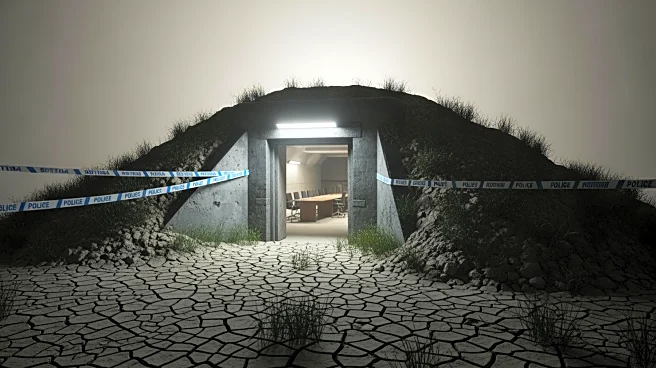
Several soldiers from the Israeli Defense Forces (IDF) have refused to report to their posts due to inadequate protection from rocket and missile fire, as reported by KAN. These soldiers, part of a volunteer group, have been vocal about the lack of bomb
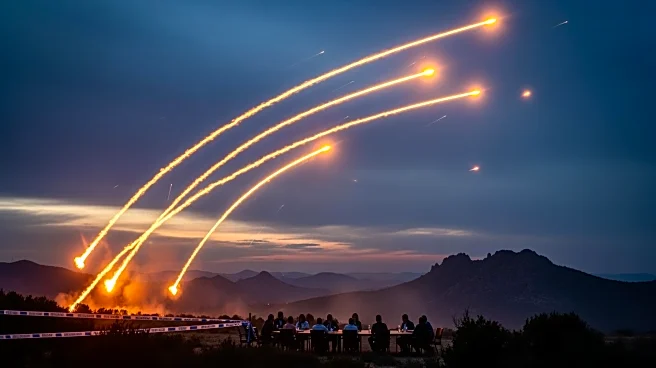
shelters at their bases, a concern they have raised with the IDF for over a month without resolution. The soldiers have described the situation as dangerous, citing instances where they have had to rely on helmets for protection during sirens. The IDF has acknowledged the issue and stated that they are working on a comprehensive plan to enhance protection based on situational assessments and operational urgency. Despite these assurances, the soldiers have expressed frustration over the gap between the Home Front Command's instructions to civilians and the reality faced by military personnel.
Why It's Important?
The refusal of IDF soldiers to report to their posts highlights significant concerns about the safety and preparedness of military installations in Israel, especially during ongoing operations like Operation Roaring Lion. This situation underscores a critical gap in military infrastructure, which could have broader implications for national security and the morale of the troops. The lack of adequate protective measures not only endangers the lives of soldiers but also raises questions about the military's ability to protect its personnel while expecting them to perform under threat. This issue could potentially affect the IDF's operational effectiveness and its ability to respond to threats, thereby impacting Israel's overall security posture.
What's Next?
The IDF's response to the soldiers' protests will be crucial in determining the next steps. The military has indicated plans to improve protective measures, but the timeline and effectiveness of these plans remain to be seen. The situation may prompt further scrutiny from military oversight bodies and could lead to increased pressure on the IDF to expedite the deployment of protective infrastructure. Additionally, this issue might attract attention from political leaders and civil society groups advocating for better conditions for military personnel. The outcome of these developments could influence future military policies and resource allocation for defense infrastructure.