
What's Happening?
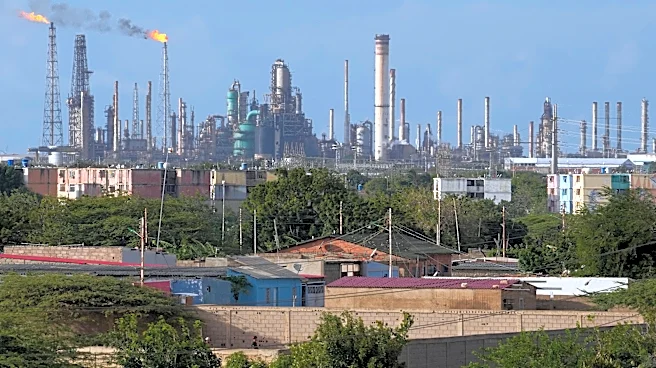
Cubans are experiencing a worsening crisis marked by prolonged blackouts, hyperinflation, and acute shortages of essential services such as water, medicine, and food. Residents in Havana face scheduled electricity outages lasting up to 20 hours, while
areas outside the capital can be without power for 48 hours or more. This lack of electricity directly impacts water supply, as pumps rely on power, leaving approximately 2.7 million Cubans with aggravated water problems. The economic strain is evident in the inability of residents, like 80-year-old Francisco López, to afford basic necessities with their pensions. The healthcare system is also severely affected, with hospitals lacking fundamental medicines and patients struggling to receive regular treatment. President Miguel Díaz-Canel acknowledged the 'very complex' situation but attributed much of the deterioration to U.S. sanctions, rejecting claims of an imminent collapse.
Why It's Important?
This deepening crisis in Cuba has significant implications, particularly for U.S. foreign policy and humanitarian efforts. The ongoing struggles with basic services, hyperinflation, and shortages could exacerbate migration pressures towards the U.S., as individuals seek better living conditions. The Cuban government's attribution of the crisis to U.S. sanctions highlights the contentious relationship between the two nations and the impact of such policies on the Cuban populace. For U.S. policymakers, the situation presents a complex challenge: balancing sanctions aimed at political change with humanitarian concerns. The economic contraction of over 15% between 2020 and 2025 underscores the severity of the island's economic woes, which could lead to further instability in the region and potentially influence U.S. domestic discussions on aid and immigration.
What's Next?
The immediate future for Cubans appears to involve continued struggles with basic services and economic hardship. President Miguel Díaz-Canel's acknowledgment of the 'very complex' situation, coupled with his rejection of claims of collapse and his blame on U.S. sanctions, suggests that the Cuban government is unlikely to significantly alter its internal policies or its stance towards the U.S. in the short term. Talks with Washington remain stalled, indicating no immediate resolution to the diplomatic tensions that contribute to the economic pressures. International humanitarian organizations may face increased calls for assistance as the crisis deepens. The U.S. government will likely continue to monitor the situation, with potential debates on the effectiveness and ethical implications of current sanctions, especially if the humanitarian situation deteriorates further.
Beyond the Headlines
The crisis in Cuba extends beyond immediate shortages and blackouts, revealing deeper systemic issues and long-term societal impacts. The reliance on improvised methods for cooking, such as charcoal, due to electricity outages, points to a regression in living standards and an increased environmental burden. The inability to access essential medicines and consistent healthcare services raises profound ethical questions about human rights and the right to health. The economic contraction and hyperinflation are not merely statistical figures but represent a daily struggle for survival for millions, eroding trust in institutions and potentially fostering social unrest. This situation also highlights the enduring legacy of geopolitical tensions and the complex interplay between international sanctions, domestic governance, and the well-being of a nation's citizens, prompting a re-evaluation of the efficacy and human cost of such policies.