





What's Happening?
Arkansas, known as the 'Natural State,' is actively promoting its diverse outdoor adventure and natural attractions to tourists. The state offers a wide range of experiences, from the rugged landscapes of the Ozark Mountains to the tranquil waters of its numerous
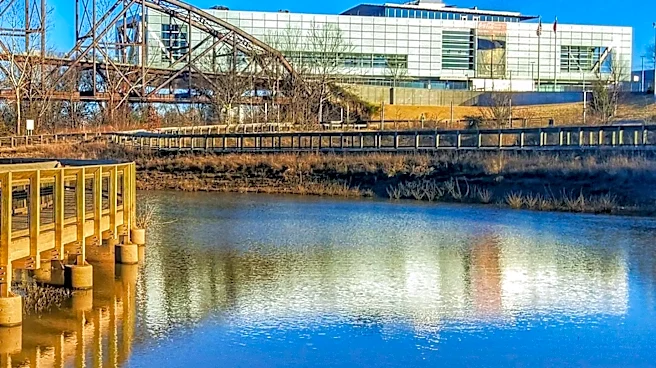
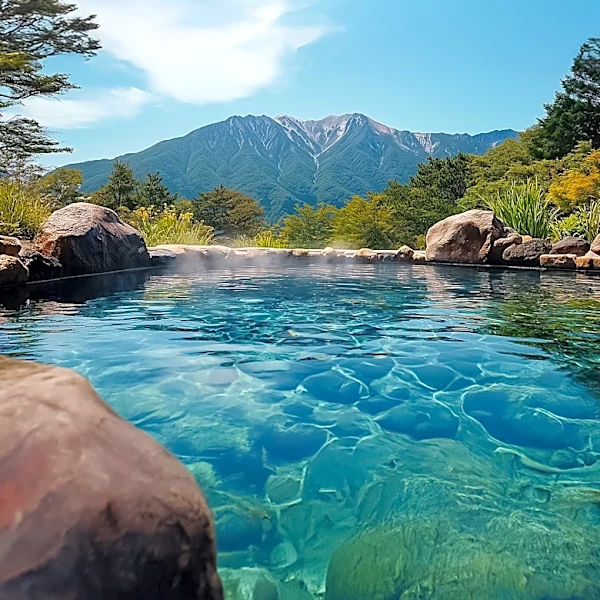
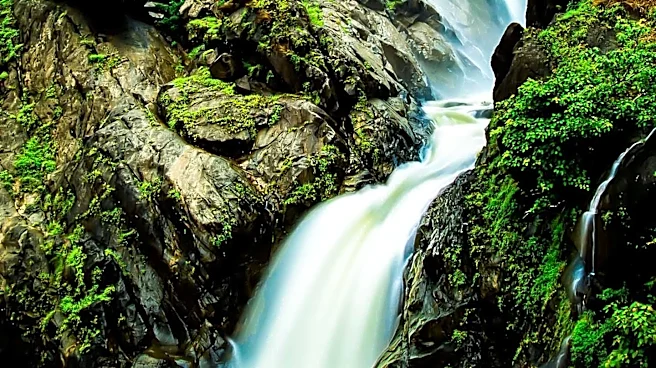
lakes. Key attractions highlighted include Hot Springs National Park, famous for its thermal waters and historic bathhouses, and the Buffalo National River, the first national river in the U.S., known for its valleys, limestone cliffs, and opportunities for canoeing, kayaking, and camping. Additionally, the state features unique waterfalls like Glory Hole Falls and Eden Falls, and various hiking trails such as Whitaker Point and those in Petit Jean State Park. Beyond well-known sites, Arkansas also boasts hidden gems like The Old Mill in North Little Rock, Blanchard Springs Caverns, and Crater of Diamonds State Park, where visitors can search for real diamonds. The Ouachita Mountains and Devil's Den State Park are also emphasized for their natural beauty and recreational activities.
Why It's Important?
The promotion of Arkansas's natural and adventure tourism is significant for the state's economy and its identity as a premier outdoor destination. By showcasing its mountains, rivers, waterfalls, and unique geological formations, Arkansas aims to attract a broad spectrum of travelers, from families seeking relaxing getaways to outdoor enthusiasts looking for challenging adventures. This initiative can boost local economies through increased visitor spending on accommodations, dining, and recreational activities. Furthermore, highlighting the state's 'hidden gems' and diverse offerings helps to distribute tourism benefits beyond traditional hotspots, supporting smaller communities and preserving natural areas. The emphasis on year-round activities, from spring's flowing waterfalls to autumn's vibrant foliage, positions Arkansas as a versatile travel destination, potentially leading to sustained tourism growth and job creation in the hospitality and outdoor recreation sectors.
What's Next?
Arkansas is expected to continue its efforts to market its natural beauty and outdoor adventure opportunities, likely through digital campaigns, partnerships with travel influencers, and participation in tourism expos. The state may also invest further in infrastructure improvements for its parks and trails to enhance visitor experiences and accommodate growing numbers of tourists. Local communities and businesses are anticipated to develop new tour packages and services that cater to specific adventure interests, such as guided hiking, caving, or water sports. There could also be a focus on sustainable tourism practices to protect the natural resources that draw visitors, ensuring the long-term viability of these attractions. Additionally, educational programs might be implemented to inform visitors about the ecological significance of the state's natural sites and promote responsible outdoor recreation.
Beyond the Headlines
Beyond the immediate economic benefits, Arkansas's focus on outdoor adventure tourism has deeper implications for public health and environmental conservation. By encouraging outdoor activities, the state promotes a healthier lifestyle for both residents and visitors, fostering a connection with nature that can reduce stress and improve well-being. This emphasis also underscores the importance of preserving Arkansas's natural landscapes, as these are the very assets attracting tourists. The promotion of unique sites like Crater of Diamonds State Park highlights the state's geological distinctiveness, potentially inspiring interest in earth sciences and conservation among younger generations. Moreover, the narrative of Arkansas as the 'Natural State' reinforces a cultural identity rooted in appreciation for the environment, which can influence policy decisions regarding land use, conservation funding, and environmental protection.