


What's Happening?
Los Angeles County leaders and emergency officials are outlining preparations for a potentially strong El Niño season, which the National Weather Service anticipates will significantly increase the odds of a wetter season for Southern California, possibly
starting in mid-October. Experts indicate that ocean temperatures in the eastern tropical Pacific, a key driver of El Niño, are currently the highest recorded for this time of year. Daniel Swain, a climate scientist at UCLA, the National Center for Atmospheric Research, and The Nature Conservancy, noted that forecasts suggest the developing El Niño could intensify beyond previously observed strong events. El Niño occurs when weakened Pacific trade winds cause warm water to shift eastward towards the coasts of Peru and Ecuador, altering global storm tracks and weather patterns. The event is expected to peak between October and December, most likely in November, with its greatest effects on California anticipated from December through March or later.
Why It's Important?
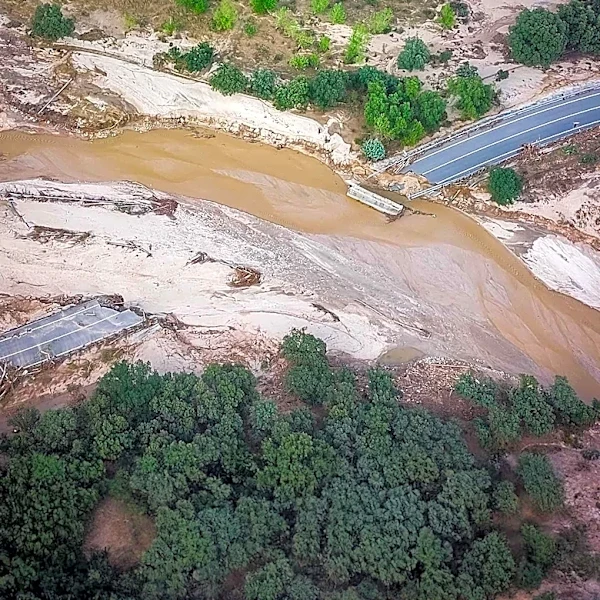
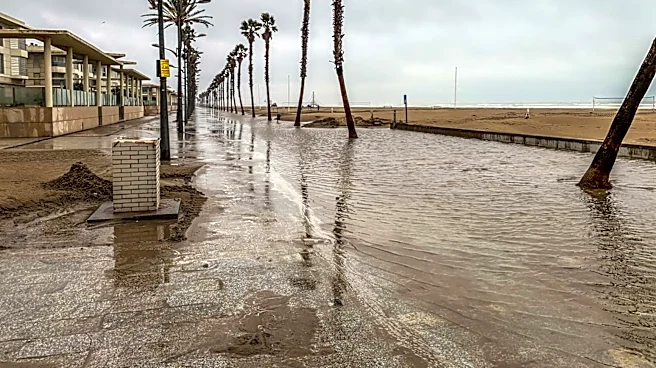
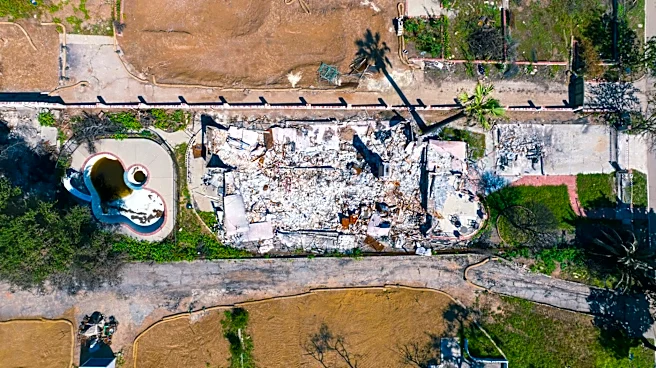
The potential for a strong El Niño season carries significant implications for Southern California, primarily due to the increased risk of heavy rainfall and associated hazards. The LA County Board of Supervisors held a roundtable to discuss the county's preparations, highlighting the Department of Public Works' efforts in flood prevention. These efforts include checking dams, washes, and spillways for blockages, and focusing on burn scar areas that are more susceptible to mudslides. A wetter season could alleviate drought conditions but also poses threats to infrastructure, public safety, and local economies through potential flooding, mudslides, and disruptions to daily life. Local leaders are urging the public to take proactive measures, such as clearing drains and gutters and creating evacuation plans, to mitigate potential damage and ensure community safety.
What's Next?
As the El Niño event is expected to peak between October and December, with its most significant impacts on California from December through March or later, county and emergency officials will continue to monitor weather patterns and implement their preparedness plans. The Department of Public Works will proceed with its flood prevention measures, particularly in vulnerable areas. Residents are advised to remain vigilant and follow guidance from local authorities, including signing up for emergency alerts. The focus will be on community readiness and infrastructure resilience to manage the anticipated heavy rainfall and prevent potential disasters. The ongoing collaboration between county departments and public awareness campaigns will be crucial in navigating the upcoming wet season.
Beyond the Headlines
The impending strong El Niño season underscores the broader challenges posed by climate variability and the increasing need for robust regional climate adaptation strategies. While El Niño is a natural phenomenon, its potential intensity highlights the vulnerability of urban and natural landscapes to extreme weather events. The emphasis on public preparedness and infrastructure maintenance reflects a proactive approach to climate resilience, moving beyond reactive responses to natural disasters. This situation also brings to light the complex interplay between global climate patterns and local environmental impacts, prompting discussions on long-term urban planning, water management, and emergency response protocols in a changing climate. The experience gained from this El Niño season could inform future strategies for managing similar climate-driven events.