





What's Happening?
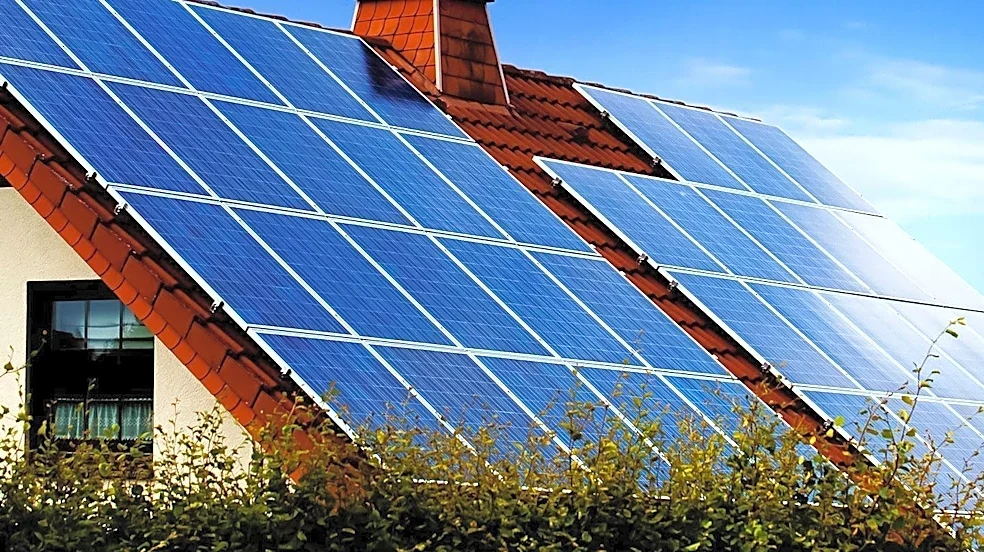
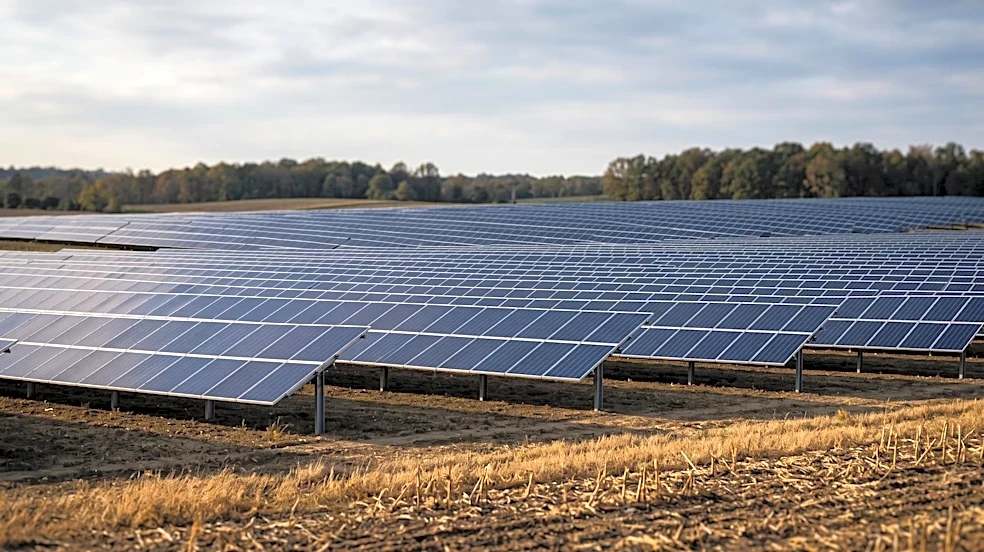
U.S. homeowners are increasingly investing in resilience and energy efficiency for their homes, driven by a desire for protection, long-term savings, and peace of mind. A recent COGNITION Smart Data report indicates a significant rise in solar installations,
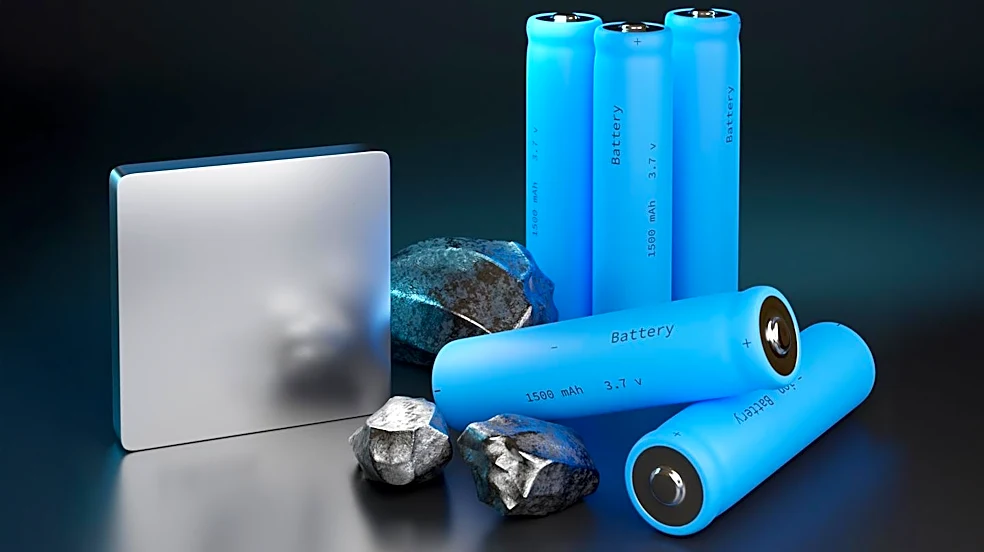
climbing from 9% in 2024 to 47% in 2026. Battery storage adoption also saw a substantial increase, from 3% to 45% during the same period. Beyond renewable energy, investments are also being made in insulation, windows, roofing, and HVAC systems, alongside backup power and fire-resistant products. This trend reflects a growing recognition among homeowners that long-term benefits, such as energy savings and enhanced home value, outweigh upfront costs.
Why It's Important?
This trend is important because it signifies a proactive shift in homeowner behavior towards creating more sustainable and resilient living spaces in the face of evolving climate challenges and energy costs. The substantial increase in solar and battery storage installations contributes directly to reducing reliance on traditional energy grids, enhancing energy independence, and lowering carbon emissions. Investments in insulation, windows, and HVAC systems improve energy efficiency, leading to reduced utility bills and a smaller environmental footprint. This collective action by homeowners can drive demand for green building technologies and practices, influencing the broader construction and energy sectors towards more sustainable solutions and contributing to national energy security.
What's Next?
The continued growth in homeowner investment in energy efficiency and resilience is likely to accelerate innovation and market expansion for related products and services. We can anticipate further advancements in solar technology, battery storage solutions, and smart home energy management systems. This trend may also encourage policymakers to introduce more incentives and support programs for homeowners adopting these technologies, further driving their widespread implementation. The focus on resilience will likely lead to increased demand for climate-ready building materials and designs, influencing future construction standards and urban planning. Ultimately, this could result in a more energy-independent and environmentally sustainable housing stock across the U.S.
Beyond the Headlines
Beyond the immediate practical benefits, this trend reflects a deeper societal shift towards self-reliance and preparedness in the face of environmental uncertainties. Homeowners are not just making financial investments; they are investing in a sense of security and control over their living environments. This move towards energy independence and resilience can foster stronger, more self-sufficient communities, particularly in areas prone to extreme weather events. It also highlights a growing awareness of the interconnectedness between individual choices and broader environmental impacts, encouraging a more responsible and sustainable lifestyle that extends beyond personal property to collective well-being.