





What's Happening?
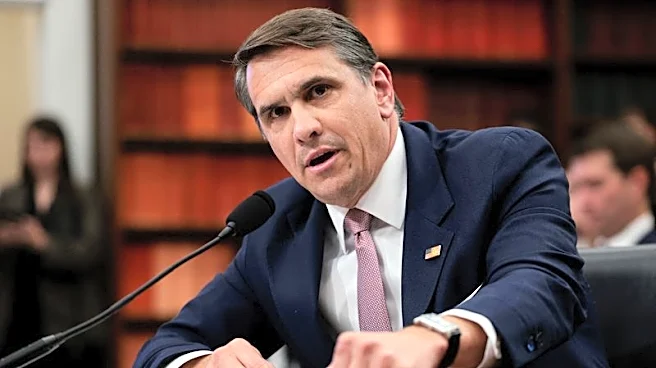
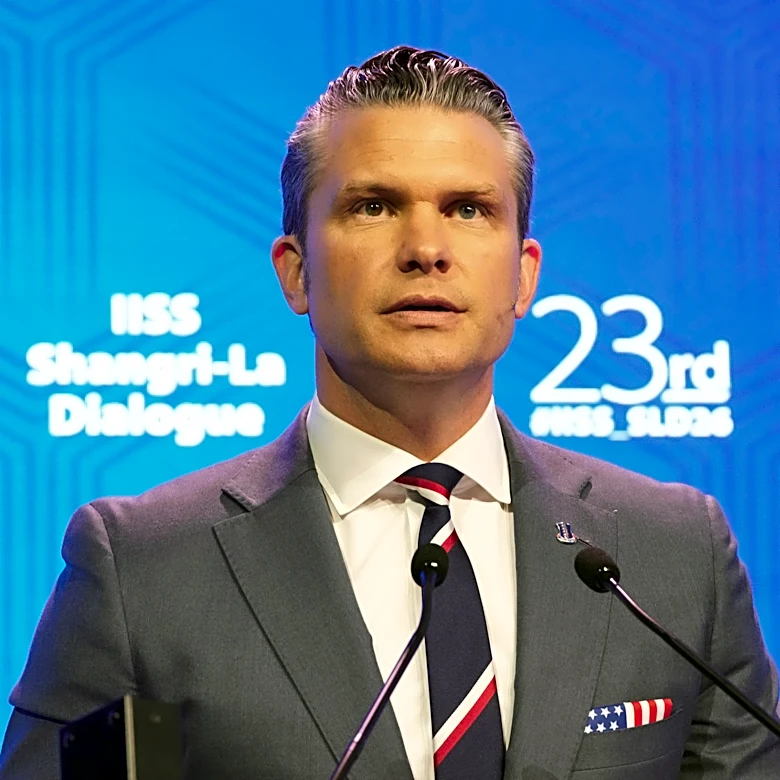
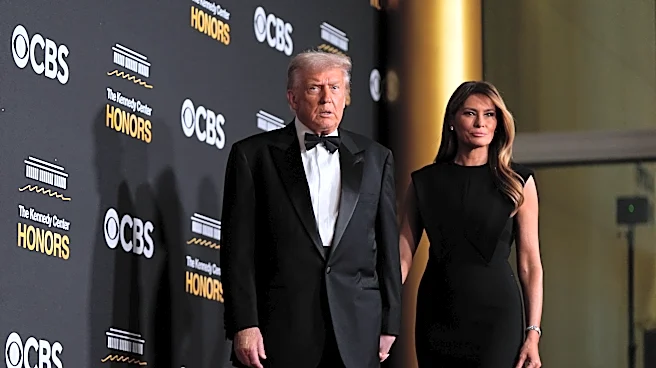
The White House social media account recently posted an image of President Trump with the caption 'Mogged,' sparking widespread curiosity and discussion. The term 'mogged' is derived from 'AMOG,' meaning 'alpha male of the group,' and is used in online
communities to describe someone who outshines others, often in terms of physical appearance. The post, which featured Trump comparing pool depth to skyscraper height, quickly gained millions of views. The use of such internet slang by an official government account highlights a shift in communication strategies aimed at engaging younger, online audiences.
Why It's Important?
The White House's adoption of internet slang like 'mogged' reflects a broader trend of government entities using meme-driven language to connect with younger demographics. This approach aims to increase engagement by resonating with the cultural language of Gen Z and millennials. However, it also raises questions about the appropriateness and effectiveness of such strategies in official communications. The use of terms associated with controversial online communities could lead to misunderstandings or backlash, impacting public perception and trust in government messaging.
What's Next?
As the White House continues to experiment with internet-native formats, it may face both opportunities and challenges. The strategy could enhance engagement with younger audiences but also risks alienating more traditional constituents. Future posts may further explore meme culture, potentially influencing how political communication evolves. Stakeholders, including political analysts and communication experts, will likely scrutinize these efforts to assess their impact on public discourse and political engagement.
Beyond the Headlines
The use of 'mogging' and similar terms in official communications could have deeper implications for how government entities interact with the public. It may signal a shift towards more informal, relatable messaging, but also highlights the potential for cultural missteps. The blending of internet culture with political messaging could redefine public expectations of government transparency and accessibility, influencing future communication strategies across various sectors.